
Why do simple family traditions create the most lasting memories?
A favorite holiday meal, a familiar story told around the dinner table, or a recipe prepared exactly the way a grandparent once taught can remain meaningful for decades because family traditions connect people through shared experiences rather than possessions.
Family traditions are more than pleasant memories. Psychology has shown that familiar rituals strengthen relationships, create a sense of belonging, and provide stability during life’s many changes. Whether those traditions involve cooking, celebrating holidays, volunteering together, or simply gathering for a weekly meal, they quietly become part of the legacy we leave behind.
Today we will explore why traditions matter, what science has discovered about their influence on emotional well being, and how preserving even the simplest family customs can enrich future generations.
The Small Moments That Last The Longest
Many people assume that family legacies are built through extraordinary achievements. History certainly remembers remarkable accomplishments, yet most families are remembered through something much quieter. They are remembered through everyday habits that communicate love, generosity, and belonging.
A familiar meal prepared every Sunday, handwritten notes tucked into lunch boxes, stories shared around the kitchen table, or an annual walk through a favorite park often become the memories children treasure most. These traditions rarely seem remarkable while they are happening, yet they quietly shape how family members remember one another for the rest of their lives.
Traditions remind us that life’s greatest treasures are often measured in moments rather than material possessions. They create a rhythm that helps families remain connected even as children grow older and circumstances change.
Aylin Saved The Family Recipe

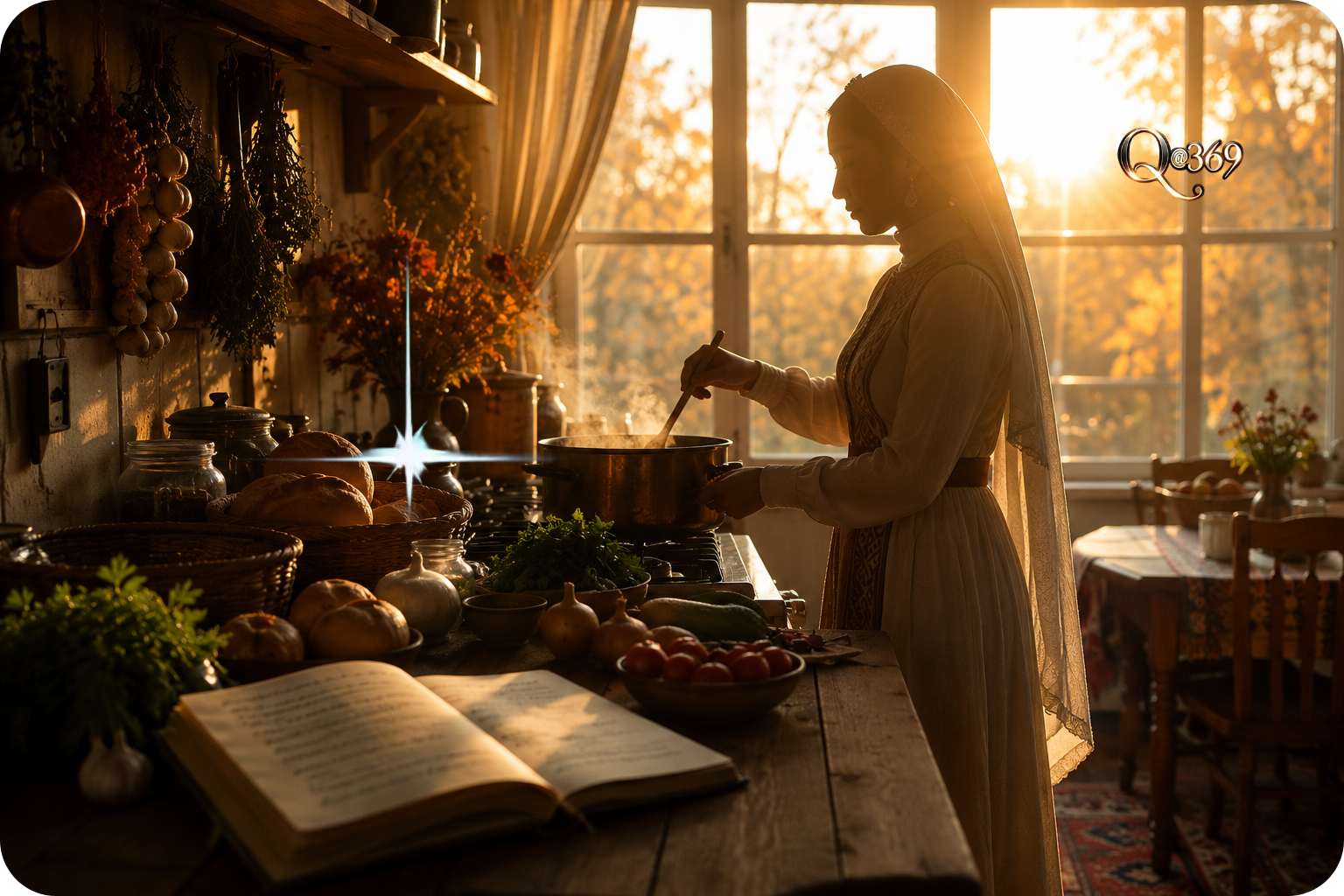
Every autumn, Aylin filled her kitchen with the comforting aromas of herbs, warm bread, and slowly simmering vegetables. Her grandchildren knew that whenever those familiar scents drifted through the house, the entire family would soon gather around the table for one of their favorite meals.
One afternoon her youngest granddaughter noticed Aylin carefully writing notes into a small notebook while preparing the recipe. Curious, she asked why someone who had cooked the same meal for so many years suddenly felt the need to write everything down.
Aylin smiled as she gently stirred the soup before placing the spoon beside the pot. She explained that recipes were about much more than ingredients because every family meal carried memories, conversations, laughter, and lessons that deserved to continue long after she was no longer standing in the kitchen.
Together they measured spices, wrote careful instructions, and added small notes beside each step. One page reminded future generations to taste the broth before adding more seasoning. Another encouraged everyone to prepare enough for unexpected guests because there was always room for one more person at the table.
Years later, after Aylin’s granddaughter prepared the same recipe for her own children, she discovered that the handwritten notes had become just as meaningful as the recipe itself. Every familiar sentence brought back memories of standing beside her grandmother, learning not only how to cook but also how to care for others through simple acts of generosity.
That afternoon she realized the family recipe had never been only about food. It had always been about preserving kindness, gratitude, and togetherness for the generations still to come.
Why Traditions Matter To The Human Mind
Psychologists have long recognized that family traditions provide emotional stability. Familiar routines create a sense of predictability that helps people feel connected during both joyful celebrations and challenging seasons of life. They remind us that while circumstances change, some meaningful parts of our lives remain constant.
Researchers have also found that shared family rituals strengthen a person’s sense of identity. Children who participate in meaningful traditions often develop a stronger feeling of belonging because they understand they are part of something larger than themselves. Those experiences quietly reinforce family values while creating memories that continue shaping relationships well into adulthood.
Traditions also encourage gratitude because they invite us to pause and appreciate the people sharing those moments with us. Whether the tradition is large or small, its greatest value often comes from the relationships it strengthens rather than the activity itself.
The Science Behind Family Traditions
Family traditions do far more than create pleasant memories. Neuroscience has shown that emotionally meaningful experiences strengthen the connections between areas of the brain involved with memory, emotion, and learning. When an activity is repeated over many years, those experiences become deeply associated with feelings of comfort, safety, and belonging.
This is one reason the aroma of fresh bread, a familiar holiday song, or the taste of a favorite family recipe can instantly transport us back to childhood. The experience is not simply remembered. It is reawakened through powerful connections between memory and emotion that developed over many years.
Scientists often describe this process as associative memory. Our brains naturally connect people, places, sounds, and even scents with meaningful experiences. Traditions become especially memorable because they combine many of these elements at the same time, creating rich memories that remain with us long after the event has ended.
Traditions Teach Without Lectures
One of the remarkable qualities of family traditions is that they often teach life’s most important lessons without anyone realizing it at the time. Children learn generosity by watching food shared with neighbors. They learn gratitude by hearing stories about previous generations. They learn responsibility by participating in preparations instead of simply enjoying the finished celebration.
These lessons rarely come from formal instruction. They develop naturally through repeated experiences shared with people they love and respect. Over time those experiences quietly shape values, character, and expectations about how family members care for one another.
Perhaps this explains why many adults eventually discover themselves repeating phrases once spoken by their parents or grandparents. The tradition continued because the lesson became part of who they had become.
Creating New Traditions
Some people hesitate when they hear the words family tradition because they believe meaningful traditions require generations of history. In reality, every long standing tradition began with someone deciding that a simple moment was worth repeating.
A weekly breakfast together, an evening walk through the neighborhood, planting a tree each spring, volunteering as a family, or preparing one special meal each month can all become traditions. Their lasting value does not depend upon expense or complexity. It depends upon consistency and the relationships they strengthen over time.
The most meaningful traditions are often the simplest because they are easy to continue. Small moments repeated with love frequently leave a deeper impression than elaborate celebrations that happen only once.
A Quantumarian Perspective
Throughout my engineering career, I learned that reliable systems are built upon consistent processes repeated with care. While family life is far more personal than engineering, I have often noticed a similar principle at work. Small habits practiced consistently usually produce stronger long term results than occasional grand gestures.
Families grow stronger through the ordinary moments they choose to repeat. A shared meal, a thoughtful conversation, or a handwritten recipe may appear insignificant on a single day. Across many years, those same moments become part of a family’s identity and one of its greatest gifts to future generations.
Traditions remind us that legacy is not measured only by what we accomplish. It is also measured by what we lovingly preserve and choose to pass forward.
“The traditions we preserve today quietly become tomorrow’s family stories.” — Isaac Yue
Reflection
Think about one tradition from your childhood that still brings a smile to your face.
What made that experience memorable? Was it the activity itself, or was it the people, conversations, and feelings that surrounded it? Your answer may reveal that the greatest value of a tradition is the connection it creates rather than the event itself.
Practical Challenge
Choose one family tradition you would like to preserve or begin this year. It does not need to be elaborate. Write it down, invite those you love to participate, and commit to repeating it consistently.
If you already have a meaningful tradition, take a few minutes to record its story. Write down why it began, what it means to your family, and what you hope future generations will remember. Someday those words may become every bit as valuable as the tradition itself.
Closing Thoughts
Family traditions quietly remind us that life’s richest treasures are rarely purchased. They are created through time, shared experiences, and a willingness to gather with the people who matter most. Long after individual events fade from memory, the feelings they created often remain.
Science helps us understand why traditions become deeply woven into our memories. Psychology explains how shared rituals strengthen belonging and emotional well being. Everyday life reminds us that the greatest traditions are not necessarily the oldest or the grandest. They are the ones that continue bringing people together with kindness, gratitude, and love.
Perhaps the most meaningful inheritance we leave our children will not be found in a bank account or a family heirloom.
Perhaps it will be found in the traditions they joyfully continue long after we are gone.
Research in developmental psychology has consistently found that family rituals and traditions strengthen emotional well being, resilience, and a sense of belonging. Children who regularly participate in meaningful family traditions often report stronger family identity, improved communication, and greater emotional security throughout adolescence and adulthood.
Why does this matter?
Traditions create predictable moments of connection. Those shared experiences help families build trust, reinforce values, and create lasting memories that continue supporting emotional health across generations.

References
- Fiese, B. H., Tomcho, T. J., Douglas, M., Josephs, K., Poltrock, S., & Baker, T. (2002). A Review of 50 Years of Research on Naturally Occurring Family Routines and Rituals. Journal of Family Psychology, 16(4), 381–390.
- Wolin, S. J., & Bennett, L. A. (1984). Family Rituals. Family Process, 23(3), 401–420.
- Spagnola, M., & Fiese, B. H. (2007). Family Routines and Rituals: A Context for Development in the Lives of Young Children. Infants & Young Children, 20(4), 284–299.
- American Psychological Association. Family Relationships and Child Development Resources.
See more of QuantumAlchemist369™ selected self-empowerment knowledge selections on the Book Shelf
Breaking Barriers: A Story of Love, Business and Possibilities

- Inspiration for anyone aspiring to live harmoniously
- Overcome challenges, and find purpose
- Altynai’s journey unlocks infinite possibilities
- Read Sample on Amazon
- Follow Link to Learn More
A Kind Request From the Author
Please give us your feedback.
Leave your comments below. We would love to hear your thoughts
More Family Traditions
Benefits of Joining Our Community
By joining QuantumAlchemist369™, you will love to stay informed and connected with us and the Quantum Alchemist community. Join us and receive free daily email updates of blogs, events, and useful insights.
Leave a Comment
We would love to hear your thoughts. Please leave a comment and share how this content resonates with your own mindful journey.
Forum Discussion
Join the Quantumarian Forum Community discussion.
Sustain the Alchemy
If the insights here have sparked something within you…We invite you to Sustain the Alchemy
You Will Want to Explore
All the items, books and graphic designs, available in our QuantumAlchemist369 Shop


Leave a Reply