
Why did the phrase seeing red become associated with anger?
Human language often reflects real biological responses in the body.
Understanding the seeing red phrase reveals how physiology, perception, and culture shape emotional expression.
The Biology Of Anger In The Body
Anger triggers immediate physical responses in the human body.
The nervous system activates a fight or flight reaction.
Heart rate increases and blood pressure rises quickly.
Blood flow shifts toward muscles and the face.
This response prepares the body for action and confrontation.
Practical application. Recognizing physical signals helps you manage emotional reactions early.
Facial Flushing And Visible Changes
One noticeable effect of anger is facial flushing.
Blood vessels in the face expand due to increased circulation.
This creates a reddish appearance in the skin.
Others can easily observe this visible emotional signal.
The change reinforces the connection between anger and the color red.
Practical application. Awareness of visible cues improves emotional intelligence in social situations.
Is Red Always Linked To Anger Across Cultures
Red is often associated with anger, but the meaning is not universal.
The color reflects intensity and activation more than one specific emotion.
Western Cultures
• Anger
• Danger
• Urgency
East Asian Cultures
• Good Fortune
• Celebration
• Prosperity
Some African and Indigenous Traditions
• Life Force
• Spiritual Meaning
• Protection
Key insight
Red signals heightened energy.
Anger is one expression, not the only meaning.
The Brain And Emotional Perception
The brain processes anger through the amygdala and related neural systems.
This region evaluates threats and triggers rapid emotional responses.
At the same time visual perception becomes more focused and intense.
Some individuals report a narrowing of attention during anger.
This can create a heightened sensory experience.
Practical application. Understanding brain responses improves self regulation during intense emotions.
Historical Origins Of The Phrase
The phrase seeing red has roots in historical observation.
Ancient cultures often associated colors with emotional states.
Red symbolized danger, conflict, and intensity in many traditions.
Written records from the nineteenth century include references linking red with anger.
Over time the phrase became part of everyday language.
Practical application. Language often preserves observations about human behavior.
A Surprising Scientific Insight
Studies show that exposure to the color red can increase physiological arousal.
Red has been linked to increased heart rate and alertness in controlled experiments.
This connection strengthens the association between red and heightened emotional states.
The brain learns to connect color cues with emotional meaning.
Practical application. Environmental colors can influence mood and perception.
Julie Ann’s Workplace Reflection

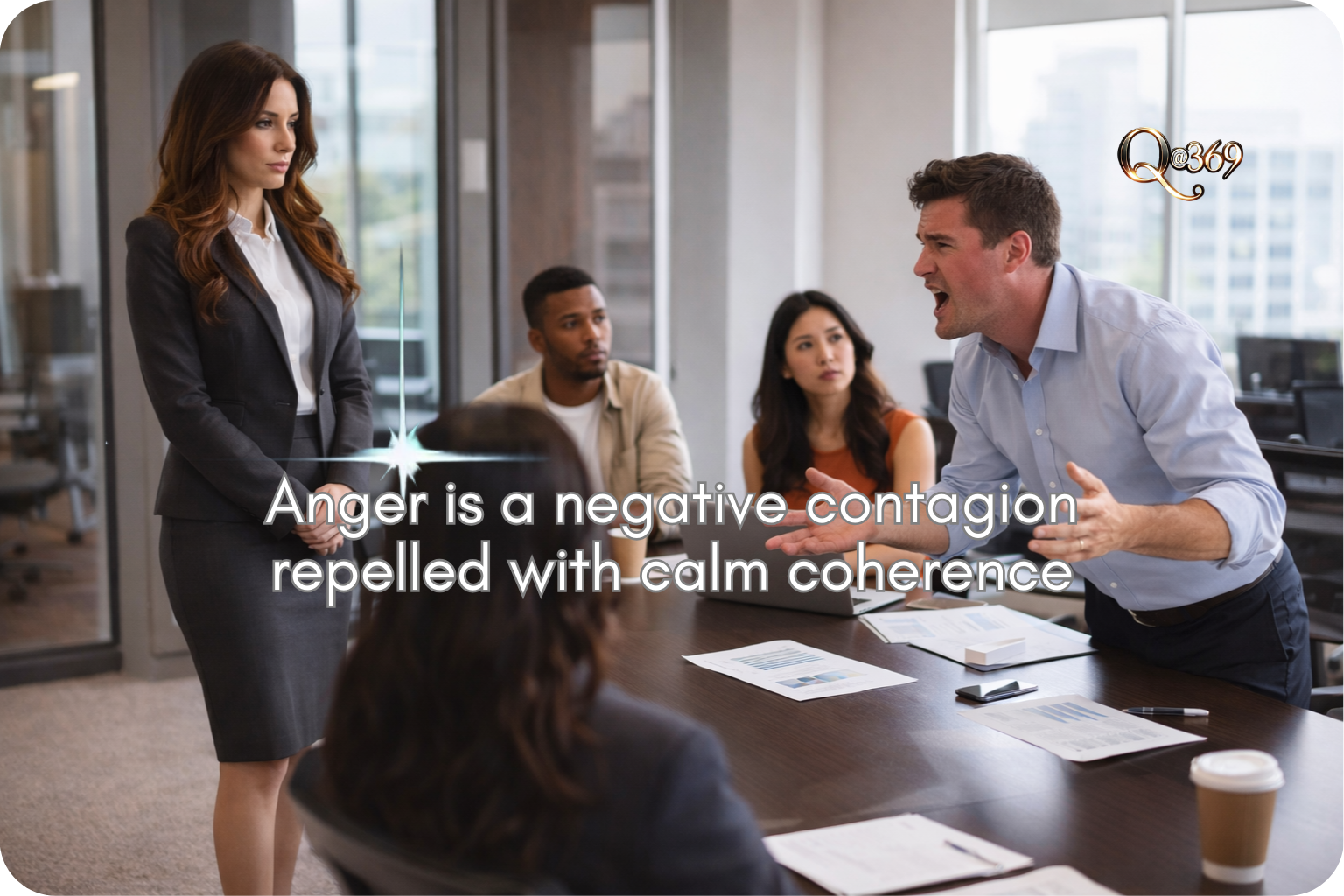
Julie Ann noticed tension rising during a team meeting at her office.
A colleague became visibly frustrated while discussing a project delay.
His face flushed and his voice became more intense.
Julie Ann recognized the signs and paused the conversation calmly.
She guided the discussion toward solutions instead of conflict.
Her awareness helped restore balance in the room.
Practical application. Observing emotional signals helps maintain professional communication.
“Anger spreads quickly when left unchecked, moving from one mind to another. Calm coherence interrupts that pattern and restores balance where reaction once dominated.” – Isaac Yue
Language Shapes Emotional Understanding
Language does more than describe emotion.
Language also shapes how people experience emotion.
Phrases such as seeing red create shared understanding of emotional intensity.
These expressions help people communicate feelings quickly and effectively.
Over time language and biology reinforce each other.
Practical application. Clear emotional language improves communication and relationships.
Conclusion
The phrase seeing red reflects both biology and cultural observation.
Anger creates real physical changes including increased blood flow and facial flushing.
Historical language captured these visible patterns and turned them into common expressions.
What emotional phrases do you use that reflect real physical experience?
Practical use. Awareness of emotional signals improves self control and strengthens communication.
Research published in the Journal of Neuroscience shows that emotional regulation awareness can reduce reactive responses by up to twenty five percent.
References
- LeDoux J. 1996 The Emotional Brain Simon and Schuster.
- Ekman P. 2003 Emotions Revealed Times Books.
- American Psychological Association Emotion And Physiology Report 2020.
- Journal of Neuroscience Emotional Regulation Studies 2018.
See more of QuantumAlchemist369™ selected self-empowerment knowledge selections on the Book Shelf
The Quantumarian Way

- Clear path to understanding coherence
- Align your daily harmonious life.
- Available in Print, Kindle and Audio
- Read Sample Pages on Amazon
- Learn More
Please give us your feedback.
Leave your comments below. We would love to hear your thoughts
More Seeing Red
Benefits of Joining Our Community
By joining QuantumAlchemist369™, you will love to stay informed and connected with us and the Quantum Alchemist community. Join us and receive free daily email updates of blogs, events, and useful insights.
Leave a Comment
We would love to hear your thoughts. Please leave a comment and share how this content resonates with your own mindful journey.
Forum Discussion
Join the Quantumarian Forum Community discussion.
Sustain the Alchemy
If the insights here have sparked something within you…We invite you to Sustain the Alchemy
You Will Want to Explore
All the items, books and graphic designs, available in our QuantumAlchemist369 Shop
Contact Us
For more information, and to contact Isaac Yue, visit our Contact Page.


Leave a Reply