
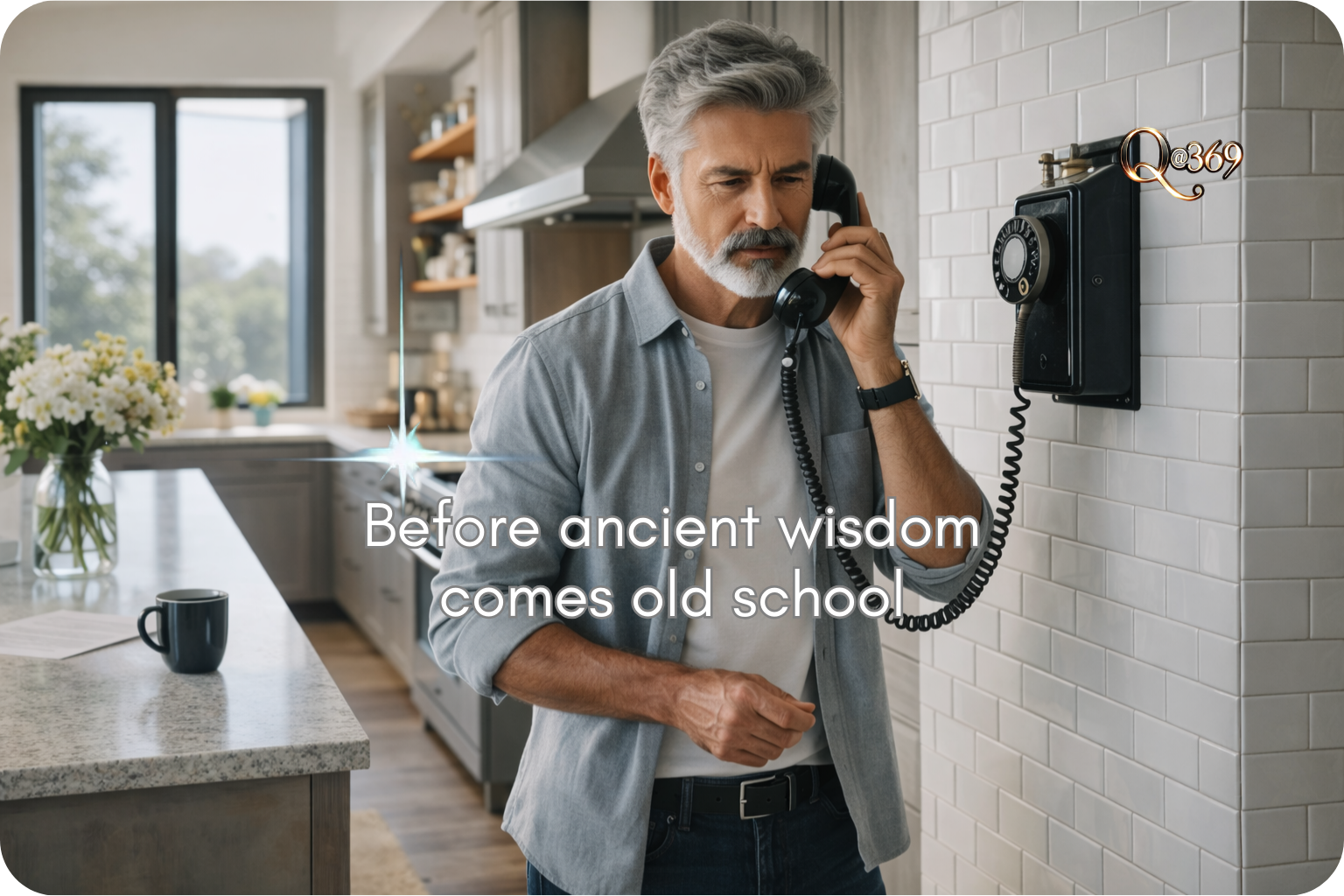
Why do Old School behaviors balance a rapidly changing world?
Psychology shows that reliability and consistent behavior build strong social trust.
Even in modern environments people respond positively to dependable character and respectful conduct.
I am experiencing now how old school habits create stability in relationships and communities.
Continue reading to understand why old school values remain powerful in modern life.
Consistency Builds Social Trust
Human societies depend heavily on predictable behavior.
Psychologists explain that consistent actions help others anticipate reliability and cooperation.
When people behave consistently, social confidence increases.
Spiritually, consistency reflects integrity between words and actions.
Practical application. Maintain steady behavior so others recognize dependability.
Reliability As Social Currency
Reliability functions as a form of social currency.
When individuals keep commitments, trust strengthens across personal and professional relationships.
Research in social psychology shows dependable individuals receive greater cooperation from others.
Spiritually, reliability demonstrates respect for shared responsibility.
Practical application. Honor commitments even when circumstances become inconvenient.
Isaac’s Old School

I have noticed that old school habits often reflect emotional maturity.
Dependable behavior signals integrity more clearly than impressive words.
Scientific research supports the idea that consistent actions build trust within communities.
Understanding this principle encourages individuals to cultivate reliability and respect.
Practical application. Let character guide behavior rather than convenience.
“Old school wisdom is simply the memory of what worked long before we gave it a name.” – Isaac Yue
Traditional Etiquette Builds Respect
Traditional etiquette often communicates consideration and self discipline.
Simple gestures such as listening attentively, arriving on time, and speaking respectfully build trust.
These behaviors reduce social friction and encourage productive interaction.
Spiritually, respectful conduct acknowledges the dignity of others.
Practical application. Practice courteous behavior in everyday interactions.
The Psychology Of Dependable Character
Dependable individuals often demonstrate emotional stability and clear values.
Psychological studies show people prefer working with individuals who display consistent character.
Predictable behavior reduces uncertainty within groups.
Spiritually, integrity aligns actions with personal principles.
Practical application. Clarify personal values and express them through consistent conduct.
Aylin’s Community

Aylin often helped organize small gatherings within her neighborhood.
Neighbors knew she would prepare thoughtfully and welcome each guest warmly.
Her consistent hospitality created an atmosphere of comfort and trust.
Families arrived knowing the evening
would unfold with kindness and mutual respect.
Children played nearby while elders shared stories across the table.
Aylin demonstrated that dependable habits quietly strengthen community bonds.
Practical application. Create reliable traditions that encourage connection.
“Character is much easier kept than recovered.” – Thomas Paine
Conclusion
Traditional values remain powerful because they strengthen trust and stability.
Consistency and reliability build confidence within relationships and communities.
Psychology confirms that dependable behavior improves cooperation and respect.
What might change if reliability became the foundation of modern interaction?
Forward benefit. Practicing dependable character strengthens both personal relationships and community harmony.
Isaac Yue Closing Reflection
I have learned that reliability rarely appears dramatic.
Its power comes from quiet consistency over time.
Old school values remind us that character often speaks louder than words.
References
- Peterson Christopher, Character Strengths And Virtues, Oxford University Press, 2004
- Cialdini Robert, Influence The Psychology Of Persuasion, Harper Business, 2006
- Putnam Robert, Bowling Alone, Simon and Schuster, 2000
- Baumeister Roy, Social Psychology And Human Nature, Cengage Learning, 2016
Quantum Pathways: A Journey to Alchemical Magic

- Explore the depths of consciousness, intention, and emotional resilience
- Learn how to applying Alchemy enriches
- Read Sample Pages on Amazon
- Follow the Link to Learn More
Please give us your feedback.
Leave your comments below. We would love to hear your thoughts
More Old School
Benefits of Joining Our Community
By joining QuantumAlchemist369™, you will love to stay informed and connected with us and the Quantum Alchemist community. Join us and receive free daily email updates of blogs, events, and useful insights.
Leave a Comment
We would love to hear your thoughts. Please leave a comment and share how this content resonates with your own mindful journey.
Forum Discussion
Join the Quantumarian Forum Community discussion.
Sustain the Alchemy
If the insights here have sparked something within you…We invite you to Sustain the Alchemy
You Will Want to Explore
All the items, books and graphic designs, available in our QuantumAlchemist369 Shop
Contact Us
For more information, and to contact Isaac Yue, visit our Contact Page.


Leave a Reply