
Category: critical thinking
-
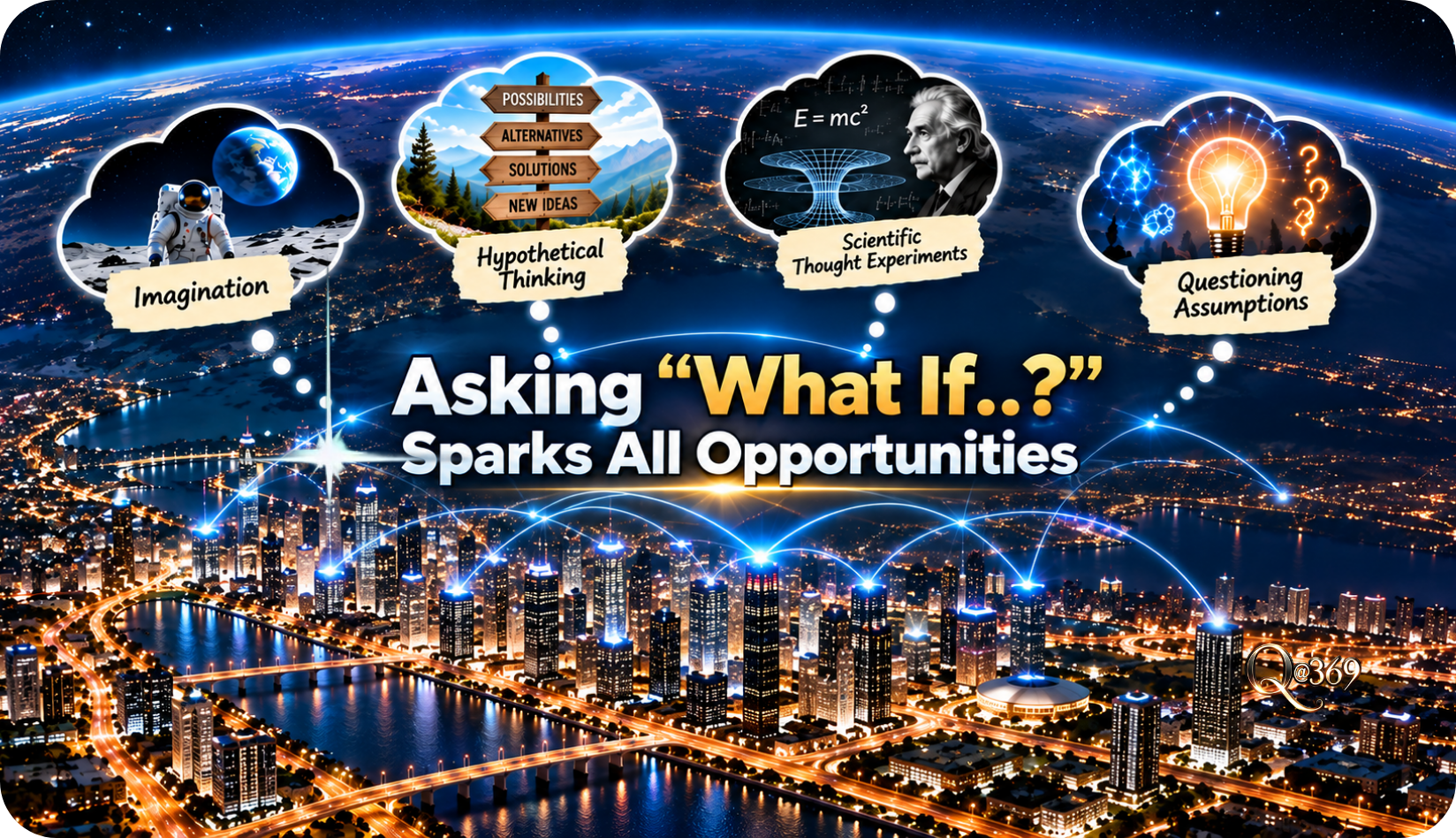
Asking “What If..?” Sparks All Opportunities
How Imagination, Hypothetical Thinking, And Scientific Curiosity Help Us Discover New Possibilities Can two simple words change the way we understand a problem? Asking “What if..?” allows us to imagine possibilities beyond our immediate experience. It helps us question assumptions, consider alternatives, and explore outcomes before taking action. Scientists use hypothetical thinking to investigate physical…
-

How Much Of What We Know Comes From Your Own Experience?
Understanding How Experience, Trust, And Assumptions Shape What We Believe We Know How much of what you know comes from personal experience, and how much comes from information others have shared? We learn about the world through observation, education, conversations, books, and scientific discoveries. Much of this knowledge comes from experiences we have never personally…
-

Can Fairness Exist Without Recognizing Our Biases?
How Personal Experience, Expectations, And Hidden Assumptions Influence Our Judgments How can we treat people fairly when our experiences and expectations influence judgments we may not even realize we are making? Fairness begins with recognizing that our judgments can be influenced by assumptions, experiences, and incomplete information. ✨Listen to: AUDIO PODCAST or on SPOTIFY 🙏…
-
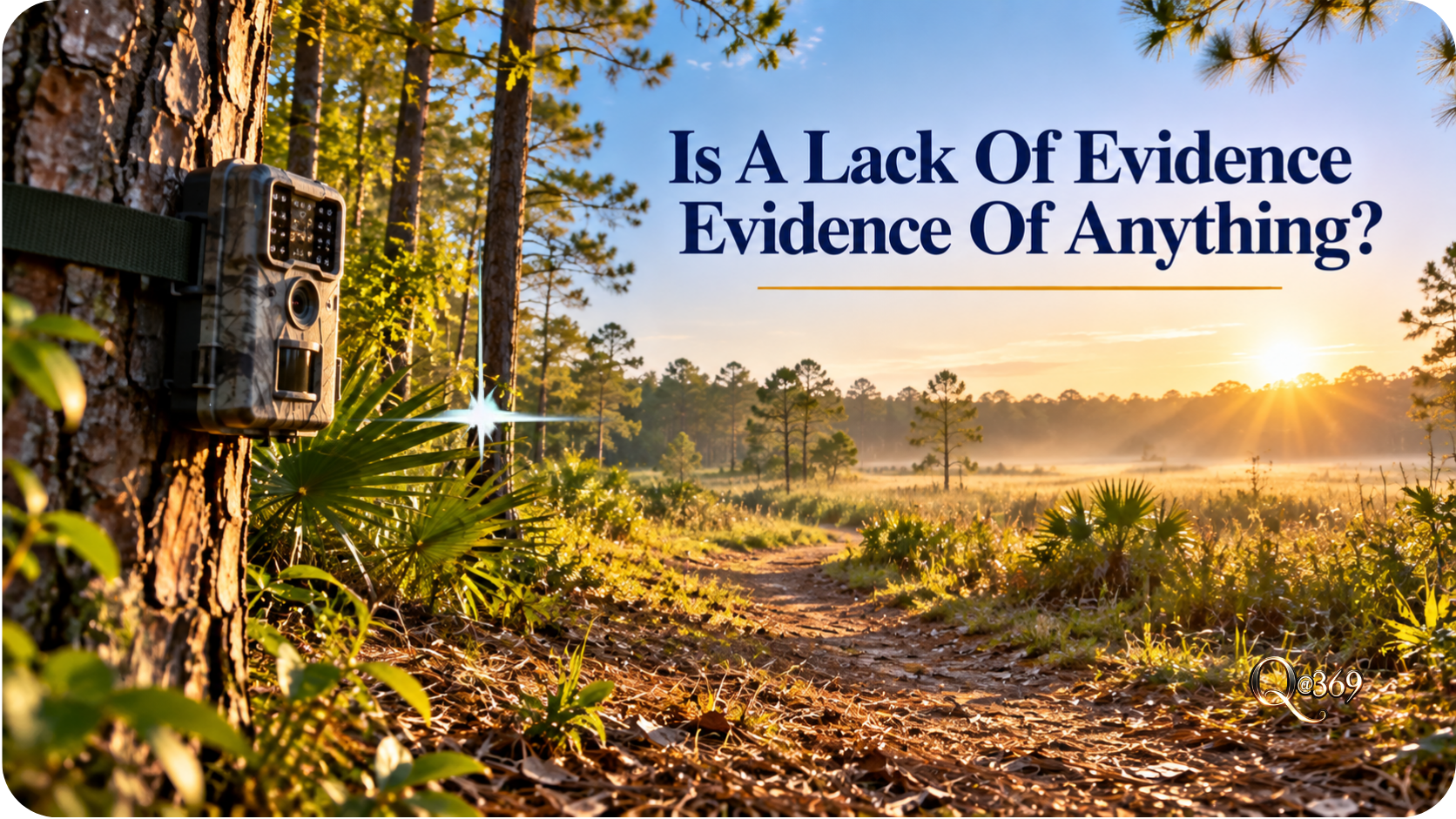
Is A Lack Of Evidence Evidence Of Anything?
Why Missing Evidence Means More When We Know What We Should Have Been Able To Detect When we search for something and find nothing, what have we actually learned? Missing evidence becomes informative when reliable testing should reasonably have detected what we were looking for. ✨Listen to: AUDIO PODCAST or on SPOTIFY 🙏 Join Our…
-
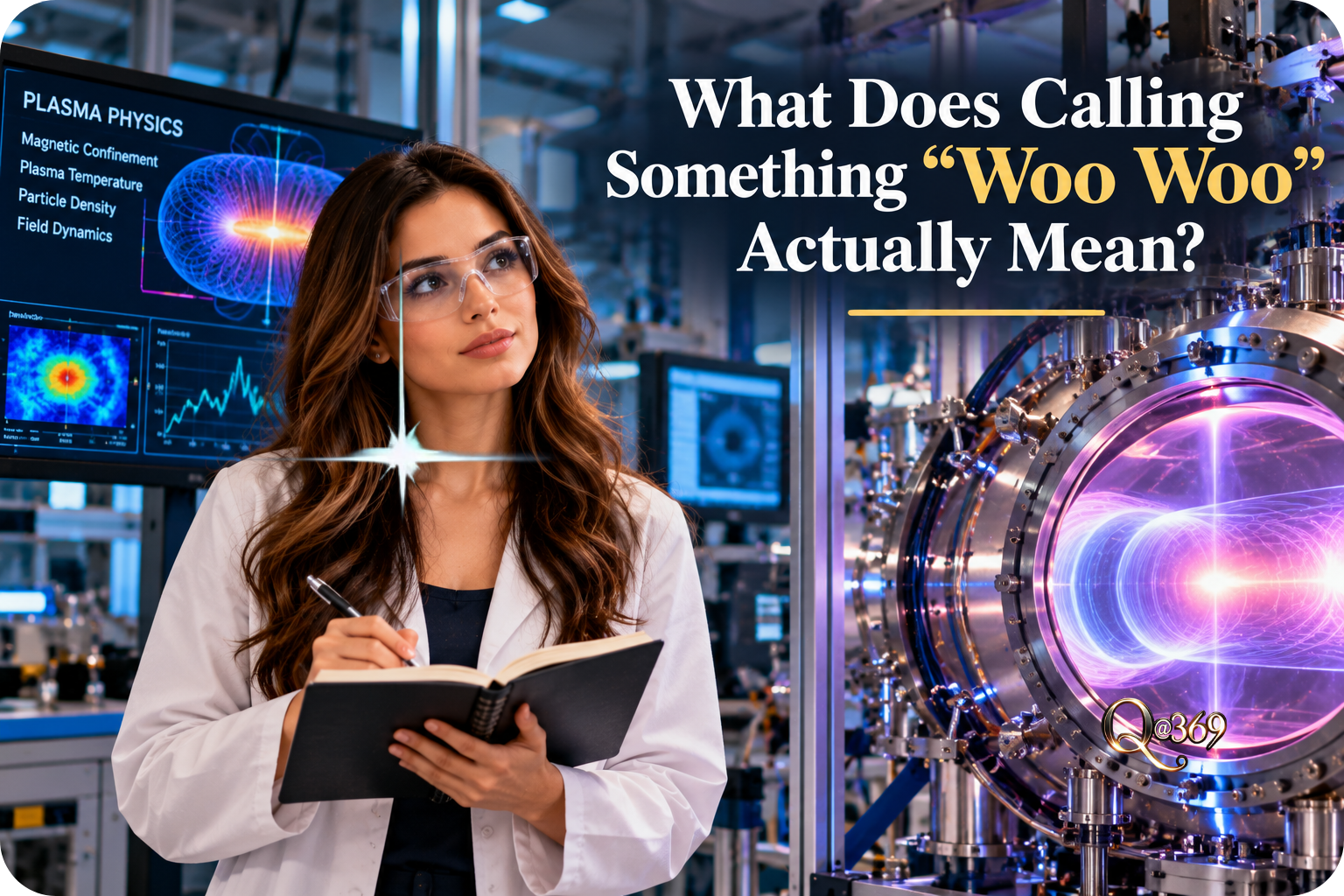
What Does Calling Something “Woo Woo” Actually Mean?
Why A Dismissive Label Can End A Question Before The Evidence Gets Examined What happens when we label an idea “woo woo” before asking what the idea actually claims? The phrase “Woo Woo” usually communicates skepticism. It can describe ideas someone considers mystical, pseudoscientific, poorly supported, or outside conventional scientific understanding. Labels can communicate skepticism…
-

Nature Does Not Put A Thumb On The Scale
Why Reality Can Help Us Test What Preference And Opinion Cannot Settle When two people sincerely believe different things, what gets the final vote? Nature does put a thumb on the scale to favor our preferred explanation, giving evidence a reference point beyond opinion. ✨Listen to: AUDIO PODCAST or on SPOTIFY 🙏 Join Our Community…
-
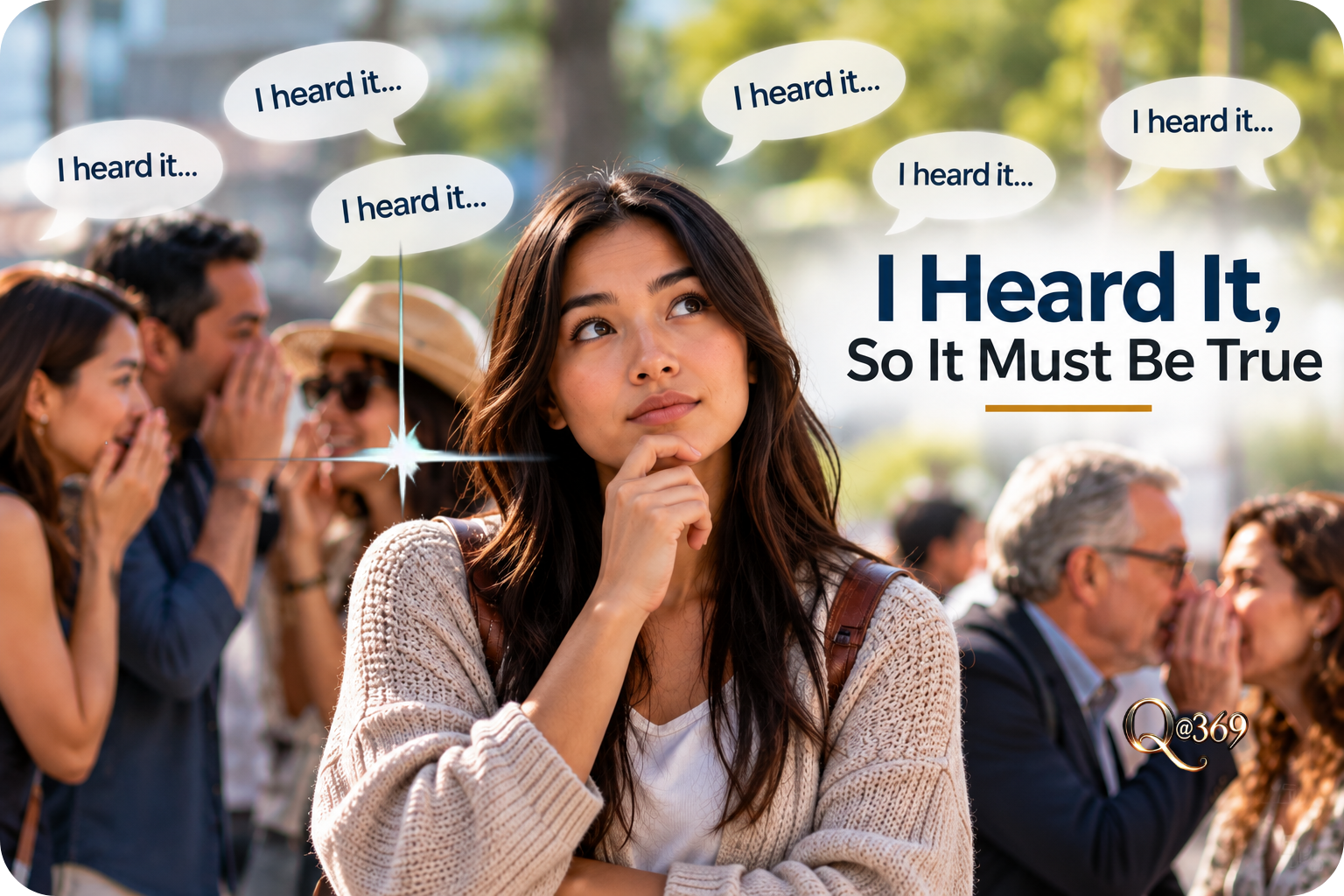
I Heard It, So It Must Be True
Why Repetition And Familiarity Can Make Information Seem More Credible What happens when you hear the same claim often enough that it begins feeling familiar rather than questionable? I heard it repetition can create familiarity, and familiarity can sometimes make unsupported information feel more credible. ✨Listen to: AUDIO PODCAST or on SPOTIFY 🙏 Join Our…
-

Why Experts Agree And Why Evidence Matters More
Why Scientific Agreement Matters And Why The Evidence Still Comes First If nearly every scientist in a field agrees about something, does their agreement make it scientifically true? Scientific consensus matters when it emerges from a strong and repeatedly tested body of evidence. Agreement can tell us how qualified researchers currently interpret that evidence, while…
-

When Mysticism Pretends To Be Science
How Scientific Language Can Make Unsupported Ideas Sound Convincing When an idea includes words such as quantum, energy, frequency, vibration, or consciousness, does that make the idea scientific? Scientific terminology can make Mysticism sound authoritative even when the scientific evidence behind the claim is weak, unrelated, or absent. In this article, you will discover: The…
-
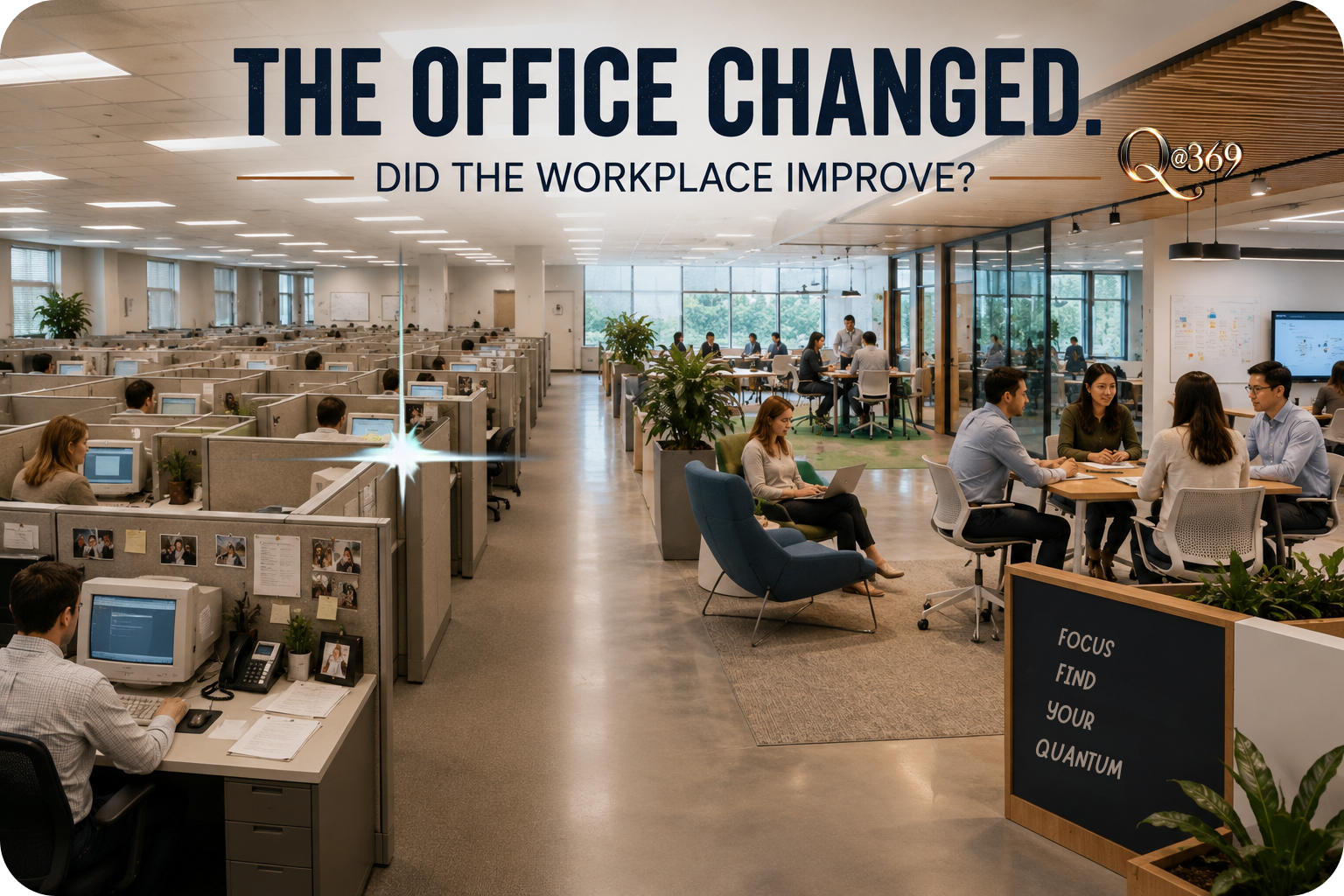
Whatever Happened To The Office Cube Farm?
What Workplace Design Can Teach Us About Focus And Collaboration What happens when the place designed to help people work becomes one of the things making work more difficult? Workplace, cube farm design influences concentration, communication, privacy, interruption, and how easily people can work together. ✨ AUDIO: Listen to “What happens when the place designed to…
You must be logged in to post a comment.