
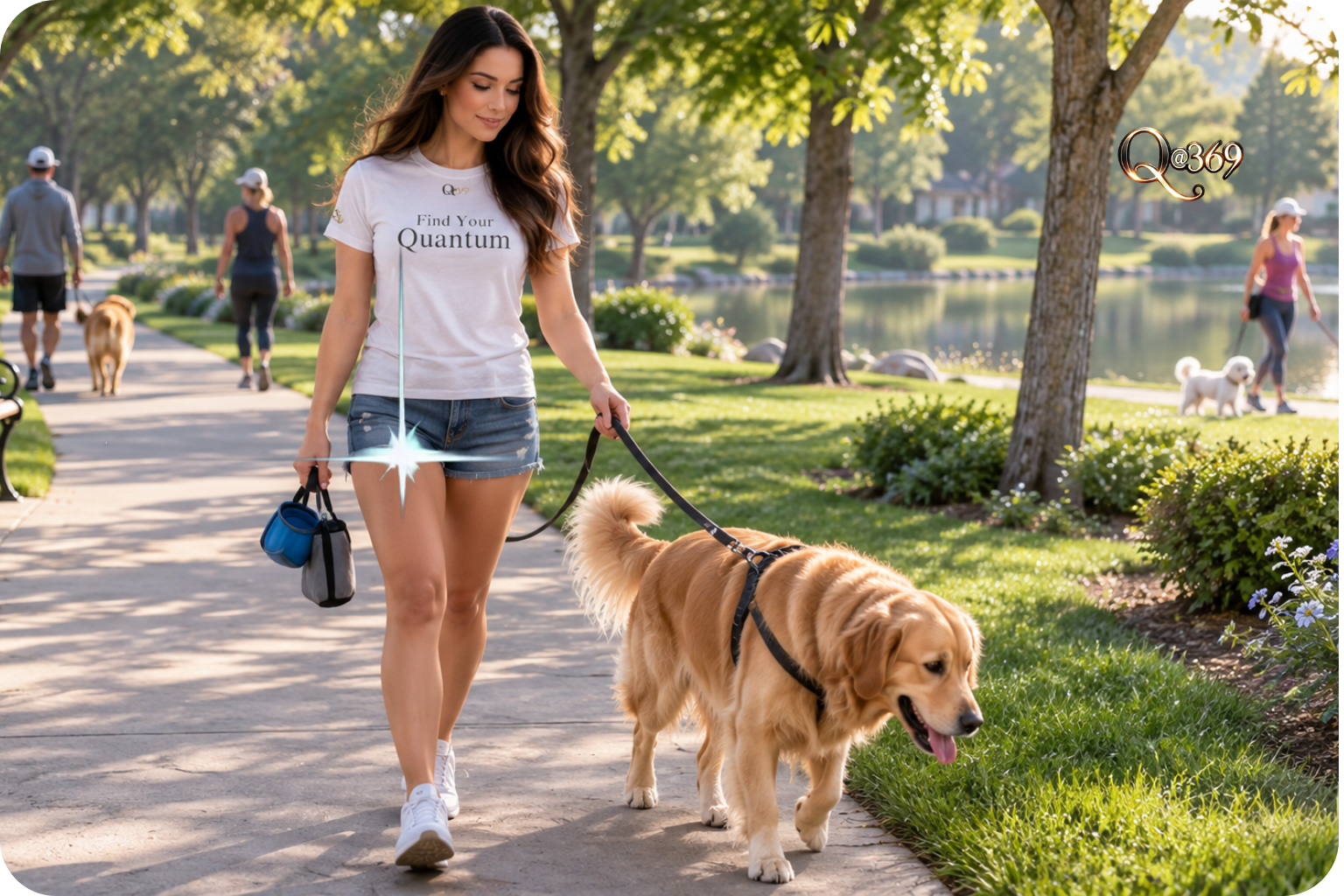
What does accepting responsibility for a pet mean?
Bringing a pet home can begin with affection, excitement, and companionship. Yet responsible pet ownership continues long after that first joyful day. Animals depend upon people for food, safety, exercise, healthcare, attention, and a stable environment throughout their lives.
Understanding that commitment can help us become more attentive caregivers. It can also strengthen patience, empathy, responsibility, and respect for living creatures.
This Article Will Help You:
- Recognize pet ownership as a continuing responsibility rather than a temporary experience.
- Understand how routine care supports animal welfare.
- Notice behavioral changes that may communicate an animal’s needs.
- Practice empathy by considering life from an animal’s perspective.
- Make thoughtful decisions before bringing another animal home.
- Appreciate how caring for animals can strengthen human responsibility.
Compassion Becomes A Daily Practice
It is easy to love an animal when everything is going well. A playful puppy, affectionate cat, or curious rabbit can quickly become part of family life.
Responsible care becomes more meaningful during ordinary and inconvenient moments. The dog still needs exercise when you are tired. Food bowls still need filling when your schedule becomes crowded.
Those moments reveal something important about compassion. Caring is not only an emotion we experience when circumstances are comfortable.
Caring becomes meaningful through what we consistently do.
An Animal Cannot Manage Our Responsibilities
Domestic animals live within environments largely created by humans. We determine when they eat, where they sleep, how much exercise they receive, and whether they receive veterinary attention.
That creates an unequal relationship. A pet cannot independently schedule a medical examination, purchase appropriate food, or safely navigate many human environments.
Responsible ownership recognizes this dependence. Our convenience cannot always determine whether an animal’s basic needs receive attention.
The practical question becomes simple.
If this animal depends upon me, what does it need from me today?
Animal Welfare Is More Than Food And Shelter
Food, water, and shelter are fundamental. However, good animal welfare also considers physical comfort, health, behavior, social needs, safety, and appropriate stimulation.
Different animals require different environments. A dog’s needs differ from a cat’s, while birds, rabbits, reptiles, and other animals require species appropriate care.
Even animals within the same species have individual differences. Age, temperament, health, previous experiences, and activity levels can influence what good care requires.
Responsible ownership therefore requires learning.
Affection matters greatly, but affection becomes more effective when supported by knowledge.
Julie Ann Notices A Change

Julie Ann knew her dog well enough to recognize the small things.
She knew the usual excitement before a walk. She recognized the familiar sounds around feeding time and understood which toys produced immediate enthusiasm.
One morning, something seemed different.
The dog ate breakfast but showed little interest in the usual morning activity. There was no dramatic symptom, yet Julie Ann noticed the change because she had learned the animal’s normal behavior.
Her first response was not panic.
It was attention.
She watched more carefully, considered what had changed, and decided whether professional guidance might be appropriate.
That simple act of noticing represents an important part of responsible pet ownership.
Animals Communicate Without Our Language
Pets cannot explain discomfort using human words. They communicate through behavior, movement, posture, appetite, vocalization, energy, and changes in familiar routines.
This makes observation an important caregiving skill.
A normally social animal that begins hiding may deserve attention. Changes in eating, drinking, movement, sleep, elimination, grooming, or temperament can also provide useful information.
Not every behavioral change indicates illness. However, knowing what is normal for your animal makes unusual behavior easier to recognize.
Attention becomes a form of compassion because noticing creates the opportunity to respond.
Responsibility Begins Before Adoption
One of the most compassionate decisions involving an animal happens before the animal ever enters your home.
Ask whether your present life can support the commitment.
Do you have enough time?
Can you provide appropriate food and routine veterinary care?
Does your housing safely accommodate the animal?
Can your household manage exercise, training, cleaning, and daily attention?
What happens during travel, illness, emergencies, or changes in employment?
These questions should not remove the joy from pet ownership. They help protect that joy from becoming an obligation someone was never prepared to manage.
The Cute Puppy Becomes An Older Dog
Young animals naturally attract attention. Their energy, appearance, and behavior can create an immediate emotional connection.
Yet responsible ownership requires imagining the animal years later.
The puppy becomes an adult dog.
Eventually, that dog may move more slowly. Walks may become shorter. Veterinary needs may increase, while routines may require greater patience.
The commitment remains.
An animal does not become less deserving of care because caring becomes more difficult.
That may be one of the clearest expressions of compassion within pet ownership.
Empathy Changes The Question
When an animal behaves inconveniently, our first reaction may focus upon ourselves.
- Why is the dog barking?
- Why did the cat scratch the furniture?
- Why will the animal not settle down?
Empathy changes the question.
What might this behavior be communicating?
Perhaps the animal needs exercise, stimulation, training, security, medical attention, or a more appropriate environment.
Understanding the cause does not mean accepting every behavior. It helps us respond through learning rather than frustration.
That difference can improve life for both the animal and the person responsible for it.
Responsibility Is Built Through Routine
Good pet care rarely depends upon one extraordinary act.
It develops through repeated ordinary actions.
- Fresh water.
- Appropriate food.
- Exercise.
- Clean living conditions.
- Training.
- Attention.
- Health monitoring.
- Safe transportation.
- Regular veterinary care.
- Time together.
These responsibilities may appear small individually. Together, they create the conditions in which an animal can live safely and comfortably.
Consistency turns compassion into care.
What Caring For Animals Can Teach Us
Caring for another living creature changes our daily perspective. An animal’s needs continue regardless of our mood, schedule, or convenience.
That responsibility can strengthen patience and awareness.
We learn to observe signals that are not spoken. We become more attentive to routines, environmental conditions, and another creature’s wellbeing.
Perhaps most importantly, animals remind us that compassion is more than feeling affection.
Compassion becomes visible through responsibility.
And responsible pet ownership gives us an opportunity to practice it every day.
Responsibility Includes Understanding The Animal
Responsible pet ownership becomes easier when we stop expecting animals to understand the human world automatically. A dog does not naturally understand why one piece of furniture is acceptable while another is forbidden.
Cats do not arrive knowing which surfaces humans consider inappropriate for scratching. Young animals especially must learn how to live safely within environments designed primarily for people.
Training therefore should not be viewed simply as correcting unwanted behavior. Good training helps establish communication, predictable expectations, and safer interactions between animals and people.
Patience matters because learning requires repetition.
Training Is Part Of Compassion
Imagine bringing an animal into an unfamiliar home filled with unfamiliar sounds, smells, people, objects, and rules. Then imagine being corrected for violating rules nobody has successfully communicated to you.
That perspective can change how we think about training.
Responsible training establishes boundaries while recognizing that animals learn through associations, consequences, repetition, and experience. Reward based approaches can reinforce desired behaviors while helping animals understand what people expect from them.
The objective is not merely obedience.
It is creating a relationship where the animal can successfully function within the human environment.

Julie Ann Learns To Ask Why
Julie Ann once became frustrated when her dog repeatedly stopped during an evening walk. She wanted exercise, while the dog seemed interested in everything except moving forward.
Then she reconsidered the walk from the dog’s perspective.
For Julie Ann, the walk was physical activity. For her dog, it was also an opportunity to investigate an environment through smell, sound, movement, and social information.
The route had not changed.
Her understanding of the experience had.
Julie Ann still maintained reasonable boundaries and kept the walk moving. She also allowed more opportunities for the dog to investigate the surroundings safely.
Sometimes responsible care improves when we ask why a behavior matters to the animal.
Exercise Is More Than Physical Movement
Animals need opportunities to express behaviors appropriate to their species and individual circumstances. For many dogs, physical exercise represents only one part of that need.
Exploring scents, practicing training skills, interacting appropriately with people or other animals, and experiencing different environments can provide mental stimulation.
Cats may benefit from climbing opportunities, play, scratching surfaces, hiding spaces, and activities that encourage natural behaviors. Other species have their own environmental and behavioral requirements.
This reinforces an important principle.
Responsible care should fit the animal rather than expecting every animal to fit the same routine.
The Environment Matters
A safe home for people is not automatically safe for animals.
Household products, foods, medications, plants, electrical cords, open doors, unsecured windows, small objects, extreme temperatures, and other hazards may create risks depending upon the species.
Responsible ownership includes looking at the environment from another perspective.
What can the animal reach?
Where could it escape?
What might it chew, swallow, climb, knock over, or investigate?
That does not require treating every home as dangerous. It requires recognizing that curiosity can lead animals toward hazards they do not understand.
Prevention can be one of the simplest forms of responsible care.
Identification Matters Before You Need It
Most people do not expect their pet to become lost.
That is precisely why preparation matters.
Appropriate identification can improve the possibility of reconnecting a lost animal with its household. Depending upon the animal and local circumstances, this may include identification tags and microchipping.
Contact information also needs to remain current.
A microchip connected with an outdated telephone number provides less useful information when someone is trying to return an animal home.
Responsible ownership often involves preparing for events we hope never happen.
Veterinary Care Should Not Begin With An Emergency
Routine veterinary care provides opportunities to discuss preventive health, nutrition, vaccination, parasite control, dental health, behavior, age related changes, and other needs appropriate to the individual animal.
Observation at home remains valuable, but it does not replace professional veterinary assessment.
This distinction matters because animals cannot describe symptoms in the way people can. Some changes may remain subtle until a health problem becomes more advanced.
Julie Ann’s familiarity with her dog’s normal behavior helped her recognize when something changed. Knowing when an observation deserves professional attention is another part of responsible care.
Nutrition Requires More Than Filling A Bowl
Feeding can appear to be one of the simplest responsibilities of pet ownership. Yet nutritional needs vary with species, age, body condition, activity, health, and other individual factors.
More food is not necessarily more compassionate.
Maintaining an appropriate body condition can support mobility and general health. Treats also contribute to overall food intake, even when they are given with affection.
This creates another useful distinction between intention and outcome.
Offering extra food may feel generous.
Responsible compassion asks whether that choice actually supports the animal’s wellbeing.
Our Schedules Affect Their Lives
Humans organize life around work, school, appointments, errands, entertainment, and travel. Pets experience the consequences of those schedules without participating in the decisions that create them.
A busy week may feel temporary to us.
For an animal waiting at home, that same week can mean fewer walks, less interaction, changed feeding times, or longer periods alone.
Responsible ownership does not require arranging every moment around a pet. It does require remembering that our scheduling decisions affect another living creature.
When circumstances change, care routines may need to change with them.
Vacations Require A Plan For Them Too
Travel provides a simple example.
Before leaving home, responsible owners need to decide who will provide food, water, exercise, medication when required, companionship, supervision, and emergency assistance.
Different animals respond differently to boarding facilities, pet sitters, unfamiliar environments, or travel with their households.
Planning should therefore consider more than convenience.
Which arrangement appropriately supports this particular animal?
That question returns attention to welfare.
Financial Responsibility Is Part Of The Commitment
Pet ownership also carries financial responsibilities that can continue for many years.
Food, routine veterinary care, preventive treatments, grooming when appropriate, identification, training, equipment, boarding, and unexpected medical needs can become significant expenses.
Considering those costs before adopting an animal is not cold or transactional.
It is responsible.
Affection cannot purchase necessary medication or provide emergency treatment. Financial preparation can therefore become another practical expression of compassion.
Children And Pets Need Adult Responsibility
A child may promise to feed, walk, clean, or care for a new pet. Participating in animal care can certainly help children learn responsibility and empathy.
However, the animal’s welfare should not depend entirely upon whether a child consistently fulfills those promises.
Adults remain responsible for ensuring necessary care occurs.
This creates an opportunity to teach rather than punish. A parent can involve a child in feeding, walking, grooming, and observation while maintaining responsibility for the animal’s wellbeing.
The pet should never become the consequence of a lesson the child failed to learn.
Growing Older Changes What Care Requires
An aging animal may eventually require a different kind of attention.
Long walks may become shorter. Stairs may become more difficult. Hearing or vision can change. Medical needs may increase, while familiar routines become increasingly important.
The relationship changes too.
A young animal may invite us into energetic play. An older companion may teach patience, attentiveness, and the value of simply remaining nearby.
Responsible ownership adapts as the animal changes.
The commitment was never only to the young animal we first brought home.
It was to the life that animal would eventually live.
Before Bringing Another Animal Home
If you are considering a pet, begin with research rather than appearance.
Ask about expected lifespan, temperament, adult size, exercise requirements, behavioral needs, routine care, potential health concerns, housing requirements, and financial commitment.
Then examine your own life honestly.
Can I provide what this animal will reasonably need throughout its life?
That question may lead you toward adoption.
It may lead you toward a different species, age, or type of animal.
It may even lead you to wait.
Waiting can also be responsible pet ownership when your present circumstances cannot support the commitment.
Compassion Sometimes Means Saying Not Yet
People who care deeply about animals may naturally want to help another one. Yet compassion without practical capacity can create problems for both the person and the animals already depending upon them.
There are many ways to care about animals without immediately bringing another pet home.
Supporting responsible shelters, volunteering, helping animal welfare organizations, fostering when circumstances allow, or assisting someone with an existing pet can also express compassion.
Sometimes the kindest decision is not:
I want this animal.
It is:
Can I responsibly care for this animal?
That small change places the animal’s welfare at the center of the decision.
Responsibility Builds Trust
Animals learn our routines.
They recognize familiar voices, footsteps, feeding patterns, movements, and signals. Through repeated experiences, they learn what to expect from the people around them.
Our responsibility therefore becomes part of their environment.
- We provide food again tomorrow.
- We open the door for another walk.
- We notice when something changes.
- We return home.
Responsible pet ownership is built through thousands of these ordinary moments.
Each one may seem small.
Together, they create a life in which another living creature can depend upon us.
When Care Becomes Inconvenient
The easiest moments of pet ownership rarely define our commitment. Responsibility becomes clearer when caring for an animal interferes with something we would rather be doing.
Rain may arrive when the dog needs a walk. A veterinary appointment may interrupt the workday. Travel plans may require additional arrangements and expense.
These inconveniences are not separate from pet ownership. They are part of the commitment we accepted when another living creature became dependent upon us. Compassion becomes especially meaningful when we provide care even when providing it is inconvenient.
Julie Ann Remembers The Original Promise
Years after bringing her dog home, Julie Ann sometimes thought about the first day they met. Everything had seemed exciting then.
The new collar looked perfect. The first walk felt special. Everyone wanted to play with the newest member of the household.
Years later, the relationship looked different.
There were ordinary mornings, veterinary appointments, muddy paws, interrupted schedules, and occasional worries. There were also quiet evenings when the dog simply rested nearby.
Julie Ann realized the original commitment had never really been about owning a pet.
It was about accepting responsibility for a life.
Animals Experience A World We Create
A household may represent almost an animal’s entire world. We determine much of what happens within it.
- We decide when doors open.
- We decide when food appears.
- We determine opportunities for exercise, social interaction, exploration, play, and rest.
- We also determine whether an animal receives medical attention when something changes.
Thinking from this perspective can deepen empathy.
For us, feeding a pet may occupy several minutes of the day. For the animal, that routine is part of a dependable environment.
Consistency communicates something even without words.
You can depend upon me.
Attention Is Part Of Care
People can provide food, shelter, and medical care while overlooking another important responsibility.
Attention.
Companion animals often share significant portions of human life. Yet modern households contain phones, televisions, computers, work demands, and countless other distractions competing for attention.
Being physically present does not always mean we are interacting with the animal beside us.
A few minutes of intentional play, grooming, training, walking, or quiet companionship can change that experience. These moments also help owners notice changes in behavior that might otherwise remain unseen.
Attention benefits the relationship because attention is how we learn the individual animal.
Learn The Animal In Front Of You
General knowledge about a species is useful, but responsible ownership eventually becomes personal.
This dog has preferences.
This cat has routines.
This bird responds differently to particular situations.
Two animals from the same species can have different temperaments, histories, fears, energy levels, and social preferences.
Good care combines general knowledge with individual observation.
Instead of asking only, What do dogs need?, Julie Ann can also ask:
What does my dog need?
That distinction transforms information into caregiving.
Empathy Does Not Mean Humanizing Everything
Caring deeply about animals can tempt us to interpret their behavior entirely through human emotions and motivations. Yet animals experience the world through their own biology and behavioral patterns.
Responsible empathy therefore requires curiosity.
Rather than assuming an animal is acting from spite, guilt, jealousy, or another human interpretation, we can examine behavior, circumstances, learning history, and environmental conditions.
This does not make the relationship less meaningful.
It respects the animal for what it is.
Compassion becomes stronger when affection is supported by an effort to understand the animal rather than expecting the animal to think exactly as we do.
Responsible Ownership Extends Beyond Your Pet
Pet responsibility also includes considering other people, animals, wildlife, and shared environments.
A friendly dog may still make another person uncomfortable. An uncontrolled pet can create risks around traffic, children, wildlife, or unfamiliar animals.
Cleaning up after pets, following appropriate leash requirements, preventing unwanted roaming, and respecting public spaces are therefore part of responsible ownership.
Our affection for an animal does not remove our responsibility toward the larger community.
Good pet ownership balances freedom with safety.
Wildlife Deserves Consideration Too
Our pets can affect animals beyond the household.
Responsible owners should consider how domestic animals interact with birds, small mammals, reptiles, and other wildlife. Local environments differ, so appropriate precautions will also differ.
This creates a broader form of animal compassion.
We can care deeply about the animal living in our home while respecting the animals living outside it.
The principle remains consistent.
Our choices affect lives beyond our own.
Compassion Includes Difficult Decisions
Pet ownership eventually presents decisions that affection alone cannot answer.
An animal may develop a chronic condition. Mobility may decline. Treatment choices may become complicated. Owners may need to balance comfort, medical possibilities, stress, finances, and quality of life.
These decisions deserve professional veterinary guidance.
They also require something emotionally difficult from the owner.
We must consider what is best for the animal, even when our own desire is simply to keep our companion with us.
Compassion sometimes asks us to separate what we want from what the animal needs.
Aging Is Part Of The Relationship
An older pet may no longer greet the morning with the same energy. Activities that once seemed effortless can gradually require more time.
Responsible ownership adapts.
A softer place to rest may become important. Routines may need adjustment. Veterinary monitoring may increase, while exercise may need to reflect changing physical abilities.
The animal that once adapted to our household may eventually need the household to adapt to it.
That is not a failure of the relationship.
It is part of completing the commitment.
The Final Years Matter
People naturally remember beginnings.
- The first day home.
- The first photograph.
- The first walk.
- The first time an animal fell asleep beside us.
Yet the final years of an animal’s life deserve the same commitment as the beginning.
An older animal may require more patience while offering fewer of the energetic experiences that originally attracted attention. That makes continued care especially meaningful.
Compassion does not measure an animal’s value according to convenience, appearance, youth, or energy.
It remains present throughout the animal’s life.
What Animals Give Us
Responsibility should not obscure the extraordinary companionship animals can provide.
Pets can become part of our routines, families, memories, and sense of home. They greet us without asking about our accomplishments.
- They invite us outside.
- They interrupt our distractions.
- They encourage play and create moments of connection that might otherwise never occur.
However, responsible ownership asks us to remember an important balance.
We receive companionship from animals.
They receive their care from us.
The relationship may be emotionally mutual, but responsibility remains primarily human.
////////////////////////
What Julie Ann Learned
One evening, Julie Ann sat quietly while her dog rested nearby.
There was nothing remarkable happening.
- No playful adventure.
- No dramatic rescue.
- No perfect photograph waiting to be shared.
Just an animal comfortably sleeping because it felt safe enough to do so.
Julie Ann considered everything behind that simple moment.
Food had been provided.
The evening walk was finished.
The animal was warm, comfortable, and familiar with its surroundings.
Tomorrow would bring another meal, another walk, and another collection of ordinary responsibilities.
She smiled.
Perhaps this was what responsible pet ownership looked like most of the time.
Not extraordinary acts of compassion.
Reliable ordinary ones.
Before You Bring A Pet Home
If you are considering bringing an animal into your life, allow enthusiasm to begin the conversation.
Then allow responsibility to finish it.
Research the animal’s needs.
Consider its expected lifespan.
Calculate routine and unexpected expenses.
Examine your available time.
Think about housing, travel, exercise, training, veterinary care, and changing life circumstances.
Then ask one final question:
Am I prepared to remain responsible when this stops being new?
If the answer is yes, you are considering more than getting a pet.
You are considering making a commitment.
If You Already Share Your Life With An Animal
Take five minutes today and observe your pet without asking it to do anything.
Notice how it moves.
Notice what captures its attention.
Consider whether anything in its routine, behavior, environment, or physical condition has changed.
Then ask:
What does this animal depend upon me to notice?
You may discover nothing unusual.
That is fine.
The practice itself matters because responsible care begins with awareness.
A Quantum Alchemist Perspective
Quantum Alchemy begins with awareness and turns awareness toward intentional action. Responsible pet ownership provides a wonderfully practical example.
- We observe another living creature.
- We learn what it needs.
- We recognize how our decisions affect its wellbeing.
Then we act upon that knowledge.
No abstract transformation is necessary to understand the result. Attention becomes responsibility, responsibility becomes consistent behavior, and consistent behavior creates a safer life for an animal depending upon us.
That is practical transformation.
Saturday Reflection
A pet does not know whether we consider ourselves compassionate.
It experiences what we do.
- The filled water bowl matters.
- The walk matters.
- The veterinary visit matters.
- The safe environment matters.
Our patience matters.
Returning tomorrow and doing those things again matters.
Responsible pet ownership reminds us that compassion becomes most valuable when another living creature can depend upon it.
Love may bring an animal into our lives.
Responsibility is how we honor that love throughout theirs.
The Science Of Pet Ownership & Care
Responsible pet ownership extends beyond providing food and shelter. Animal welfare also involves appropriate nutrition, healthcare, environmental safety, opportunities for species appropriate behavior, social interaction, and attention to individual needs.
Animal behavior can also provide useful information. Changes in appetite, activity, movement, social interaction, elimination, grooming, or familiar routines may indicate that something has changed. Observation does not replace veterinary assessment, but knowing an animal’s normal behavior can help caregivers recognize when professional attention may be appropriate.
Human animal relationships also provide opportunities to practice empathy and responsibility. Pets depend heavily upon human decisions, making consistent caregiving an everyday example of compassion translated into behavior.

References
- American Veterinary Medical Association. Responsible Pet Ownership. AVMA.
American Veterinary Medical Association - Creevy, K. E., Grady, J., Little, S. E., Moore, G. E., Strickler, B. G., Thompson, S., & Webb, J. A. (2019). 2019 AAHA Canine Life Stage Guidelines. Journal of the American Animal Hospital Association, 55, 267–290. DOI: 10.5326/JAAHA-MS-6999. (AAHA)
AAHA Canine Life Stage Guidelines - American Animal Hospital Association. (2019). Lifestyle and Safety Assessment. 2019 AAHA Canine Life Stage Guidelines. (AAHA)
Lifestyle And Safety Assessment - American Veterinary Society of Animal Behavior. (2021). Humane Dog Training Position Statement. (AVSAB)
AVSAB Humane Dog Training Position Statement - World Small Animal Veterinary Association. Global Nutrition Guidelines. WSAVA Global Nutrition Committee. (WSAVA)
WSAVA Global Nutrition Guidelines
See more of QuantumAlchemist369™ selected self-empowerment knowledge selections on the Book Shelf
QuantumAlchemist369™ Enlightening Book Series

- This collection of books present an empowering journey, blending science and spirituality through quantum alchemy principles.
- Each book offers unique insights into unlocking personal growth, achieving harmony, and realizing life’s potential by embracing positivity, mindfulness, and transformative thinking.
- Available in Paperback, Kindle and Audio
A Kind Request From the Author
Please give us your feedback.
Leave your comments below. We would love to hear your thoughts
More Pet Home
Benefits of Joining Our Community
By joining QuantumAlchemist369™, you will love to stay informed and connected with us and the Quantum Alchemist community. Join us and receive free daily email updates of blogs, events, and useful insights.
Leave a Comment
We would love to hear your thoughts. Please leave a comment and share how this content resonates with your own mindful journey.
Forum Discussion
Join the Quantumarian Forum Community discussion.
Sustain the Alchemy
If the insights here have sparked something within you…We invite you to Sustain the Alchemy
You Will Want to Explore
All the items, books and graphic designs, available in our QuantumAlchemist369 Shop
2026 Community Feedback Now Open
You are invited to help build QuantumAlchemist369. Take a few minutes to complete the Quantumarian Community Review 2026.


Leave a Reply