
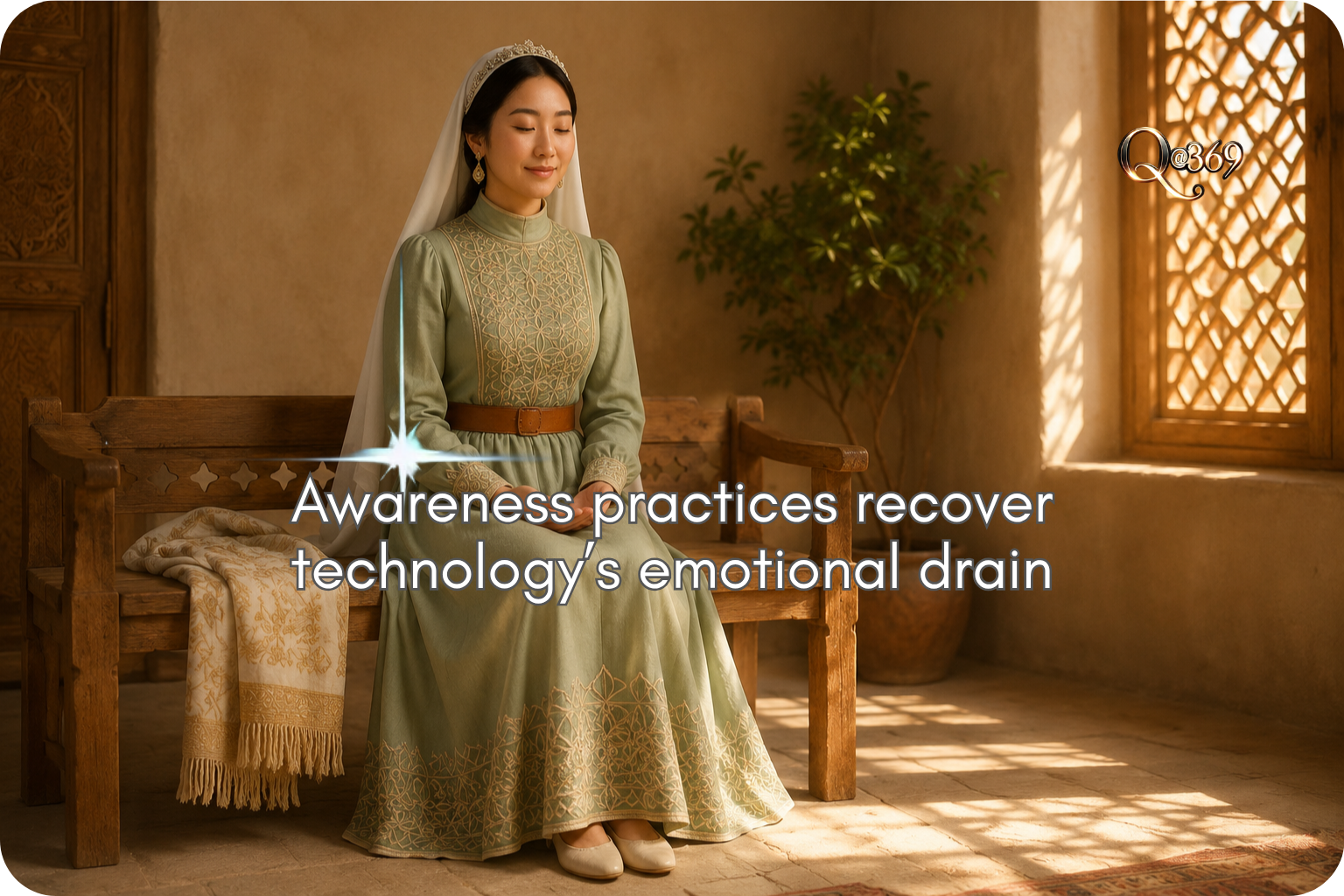
Why does modern life emotionally exhaust despite increased technology efficiency?
Technology, constant communication, and endless information have created unprecedented levels of stimulation competing continuously for human attention and emotional exhaustion.
You will discover how intentional quiet recovery helps restore emotional balance, mental clarity, and overall well being in an increasingly busy world.
Modern Life Rarely Stops
Many people begin their day with notifications, messages, emails, news updates, and social media activity before leaving bed. Throughout the day, work responsibilities, family commitments, and digital communication continue demanding attention.
Modern convenience often saves physical effort while simultaneously increasing mental activity. People remain connected almost constantly, leaving little opportunity for genuine mental recovery.
The human mind evolved within environments containing natural periods of rest and reflection. Modern life often reduces those opportunities significantly.
Emotional Exhaustion Is More Than Physical Fatigue
Emotional exhaustion differs from ordinary tiredness. A person may sleep adequately yet still feel mentally drained, emotionally depleted, and unable to focus effectively.
Symptoms often include irritability, reduced motivation, difficulty concentrating, emotional numbness, and increased stress sensitivity. Small challenges may begin feeling larger than they actually are.
Without proper recovery, emotional exhaustion can gradually influence relationships, work performance, decision making, and overall quality of life.
Digital Overstimulation Impacts Awareness
Human attention has become one of the most valuable resources in modern society. Countless companies compete continuously for attention through alerts, advertisements, content feeds, and entertainment platforms.
The brain constantly processes incoming information, even when people believe they are simply relaxing. Endless scrolling, constant updates, and digital engagement often create ongoing mental stimulation rather than recovery.
As stimulation increases, opportunities for reflection, creativity, and emotional processing frequently decrease.
Quiet Recovery Is Not Wasted Time
Many people mistakenly view quiet time as unproductive. In reality, periods of intentional quiet often support some of the most important forms of mental recovery.
Quiet moments allow the brain to process experiences, organize thoughts, and restore emotional balance. Reflection strengthens awareness while reducing unnecessary mental noise.
Recovery supports productivity rather than competing with it. Just as muscles require rest after exercise, the mind benefits from periods of reduced stimulation.
Aylin Discovers The Value Of Quiet Time

Aylin noticed herself feeling increasingly distracted, emotionally reactive, and mentally exhausted despite maintaining a relatively successful and organized life.
Her days were filled with work responsibilities, family communication, social media activity, and constant access to information.
Although none of these activities seemed overwhelming individually, together they created continuous mental stimulation.
One evening she decided to spend thirty minutes sitting quietly without screens, notifications, or distractions. At first the silence felt uncomfortable. Her mind immediately searched for something to do.
After several days, she began noticing a subtle shift. Her thoughts became clearer. Emotional reactions felt less intense. Decisions required less effort.
The experience taught Aylin that intentional quiet was not empty space. It was emotional recovery.
“Awareness practices help recover technology’s emotional drain by restoring quiet reflection, emotional balance, and clarity within the human mind.” – Isaac Yue
Emotional Reset Supports Better Decisions
Emotional exhaustion often narrows awareness and encourages reactive thinking. People become more likely to make decisions based upon stress, frustration, or immediate emotional discomfort.
Quiet recovery helps create psychological space between stimulus and response. That space improves emotional regulation and thoughtful decision making.
When awareness becomes calmer, perspective often improves naturally.
Nature Encourages Recovery
Many people find emotional recovery easier within natural environments. Parks, forests, beaches, gardens, and open spaces reduce sensory overload while encouraging reflection and relaxation.
Research continues demonstrating positive relationships between nature exposure, stress reduction, emotional well being, and mental clarity.
Nature provides an environment where awareness can slow down and reconnect with a more balanced rhythm.
Isaac Yue On Quiet Awareness
I view quiet recovery as an essential component of emotional health rather than an optional luxury. Awareness requires moments of stillness to process experience, reflect honestly, and regain balance.
Modern life encourages constant activity, yet personal growth often occurs during periods of reflection rather than constant stimulation.
Quiet moments allow awareness to reconnect with what truly matters.
The Quantumarian Perspective On Recovery
Quantumarian principles encourage coherence between thought, emotion, intention, and awareness. Constant overstimulation often disrupts that coherence and creates unnecessary emotional noise.
Quiet recovery provides an opportunity to restore internal harmony. Reflection, mindfulness, nature, and intentional stillness help strengthen emotional balance and clarity.
Awareness grows strongest when given space to breathe.
Conclusion
Modern life offers extraordinary convenience, yet convenience alone does not guarantee emotional well being. Continuous stimulation, information overload, and constant connectivity often create emotional exhaustion despite technological advancement.
Quiet recovery helps restore emotional balance, mental clarity, and awareness. Intentional periods of stillness allow the mind and emotions to process experiences more effectively.
When was the last time you intentionally spent time in quiet reflection without digital distractions?
Small periods of intentional recovery can create meaningful improvements in emotional well being, resilience, and overall life satisfaction.
Research published by the American Psychological Association has found that chronic stress and information overload contribute significantly to emotional fatigue, while mindfulness and recovery practices improve emotional resilience and well being.

References
- American Psychological Association. Stress Effects on Health and Well Being.
- National Institute of Mental Health. Coping With Stress.
- Harvard Health Publishing. Restorative Benefits of Quiet Reflection.
- Mayo Clinic. Stress Symptoms and Causes.
See more of QuantumAlchemist369™ selected self-empowerment knowledge selections on the Book Shelf
The Quantumarian Way

- Clear path to understanding coherence
- Align your daily harmonious life.
- Available in Print, Kindle and Audio
- Read Sample Pages on Amazon
- Learn More
A Kind Request From the Author
Please give us your feedback.
Leave your comments below. We would love to hear your thoughts
More Emotional Exhaustion
Benefits of Joining Our Community
By joining QuantumAlchemist369™, you will love to stay informed and connected with us and the Quantum Alchemist community. Join us and receive free daily email updates of blogs, events, and useful insights.
Leave a Comment
We would love to hear your thoughts. Please leave a comment and share how this content resonates with your own mindful journey.
Forum Discussion
Join the Quantumarian Forum Community discussion.
Sustain the Alchemy
If the insights here have sparked something within you…We invite you to Sustain the Alchemy
You Will Want to Explore
All the items, books and graphic designs, available in our QuantumAlchemist369 Shop
Featured Offering on 369 Shop


Leave a Reply