
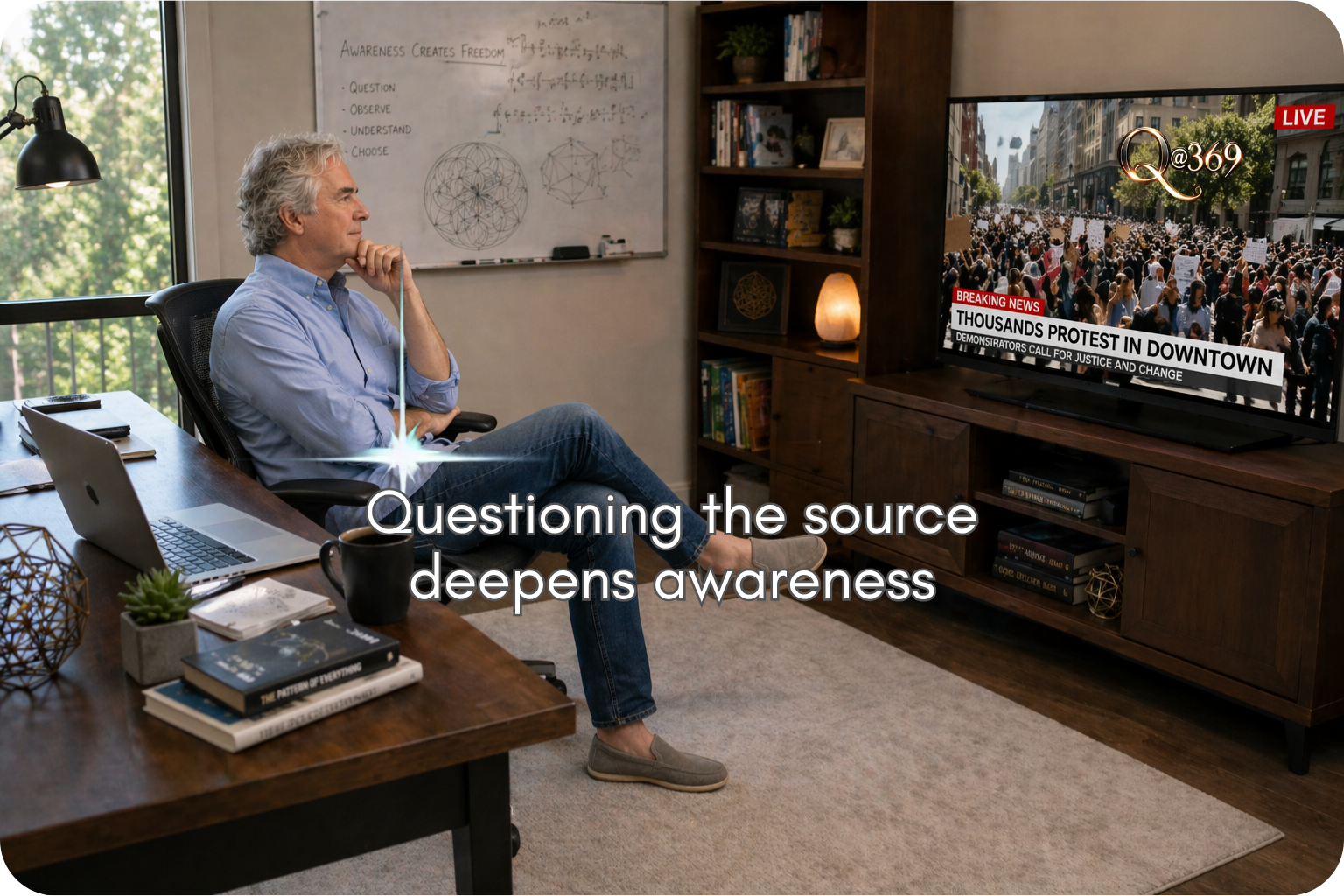
How can your thoughts align without bias to your true intent?
Indoctrinated thinking forms through repeated exposure, shaping perception without awareness.
You will learn how to recognize these patterns and rebuild independent thinking and clarity.
Understanding Indoctrinated Thinking
Indoctrinated thinking develops when ideas are accepted without critical evaluation.
These ideas often come from culture, education, or repeated messaging.
Over time, repetition creates familiarity.
Familiarity is often mistaken for truth.
This process happens quietly.
Most people do not question what they have always believed.
The Science Of Cognitive Bias
Cognitive bias influences how you interpret information.
Your brain filters data to confirm existing beliefs.
This is called confirmation bias.
It reinforces what you already accept as true.
Other biases simplify decision making but reduce accuracy.
They help you respond quickly but limit deeper understanding.
Awareness of bias is the first step toward independent thinking.
Neural Patterns And Repetition
Your brain forms neural pathways through repeated thoughts.
The more a thought repeats, the stronger the pathway becomes.
This process creates automatic responses.
You begin to think and react without conscious evaluation.
These patterns feel natural because they are familiar.
However, familiarity does not equal truth.
You can change these patterns through new awareness and repetition.
Recognizing External Influence
Many beliefs originate from external sources.
Family, media, and social groups shape perception early in life.
These influences define what feels normal or acceptable.
They guide behavior without direct awareness.
Ask yourself simple questions.
Where did this belief come from?
Was it tested or simply repeated?
This process reveals whether a belief was chosen or conditioned.
Awareness Practices For Independent Thought
Independent thinking begins with observation.
Notice your thoughts without immediate agreement.
Pause before reacting to information.
Evaluate the source and evidence.
Write down beliefs that guide your decisions.
Examine each one with honest questioning.
This creates distance between you and automatic thinking.
Distance allows clarity.
Rebuilding Clarity Through Questioning
Clarity develops when you question assumptions.
Ask direct questions.
Is this belief supported by evidence?
Does it produce useful outcomes?
Replace untested beliefs with informed understanding.
Build new patterns through consistent awareness.
Over time, your thinking becomes intentional and clear.
Isaac Yue Reflects On Awareness

Isaac Yue observed how easily repeated ideas become accepted as truth.
He noticed that familiarity often replaced critical thinking.
Through years of study and experience, he developed a practice of questioning.
He examined beliefs before accepting them.
He learned that awareness creates intellectual independence.
Without awareness, thinking follows repetition.
He applied this approach in both science and daily life.
This allowed him to make decisions based on clarity rather than habit.
His reflection shows a simple truth.
Independent thinking requires consistent awareness and honest evaluation.
“Questioning the source sharpens awareness, because truth becomes clearer when you understand where every idea begins.” – Isaac Yue
A Surprising Insight On Conditioned Thinking
Research shows repeated exposure increases belief acceptance, even without evidence.
This effect influences perception and decision making across all areas of life.
Awareness interrupts this cycle and restores clarity.
Conclusion Awareness Creates Independence
You now understand how indoctrinated thinking forms through repetition and bias.
You also understand how awareness and questioning restore independent thought.
What belief have you accepted without questioning?
How can you evaluate it with clarity and evidence?
Start by observing your thoughts without immediate agreement.
Independent awareness creates clear thinking and stronger decisions.
Studies show repeated exposure increases belief acceptance by over 60 percent, even without supporting evidence.
References
- Kahneman D. Thinking Fast and Slow.
- Tversky A and Kahneman D. Judgment Under Uncertainty Heuristics and Biases.
- National Institutes of Health. Neural Plasticity Research.
- Harvard University. Cognitive Bias Studies.
See more of QuantumAlchemist369™ selected self-empowerment knowledge selections on the Book Shelf
A Kind Request From the Author
Please give us your feedback.
Leave your comments below. We would love to hear your thoughts
More Independent Thinking
Benefits of Joining Our Community
By joining QuantumAlchemist369™, you will love to stay informed and connected with us and the Quantum Alchemist community. Join us and receive free daily email updates of blogs, events, and useful insights.
Leave a Comment
We would love to hear your thoughts. Please leave a comment and share how this content resonates with your own mindful journey.
Forum Discussion
Join the Quantumarian Forum Community discussion.
Sustain the Alchemy
If the insights here have sparked something within you…We invite you to Sustain the Alchemy
You Will Want to Explore
All the items, books and graphic designs, available in our QuantumAlchemist369 Shop
Contact Us
For more information, and to contact Isaac Yue, visit our Contact Page.


Leave a Reply