
What drives the rising popularity of crystals in the digital age?
You see crystals everywhere across social media and wellness spaces
Understanding their value requires clarity, awareness, and mindful use
The Rise Of Crystal Trends
Crystals have gained massive attention through social media platforms.
Influencers present them as tools for healing, energy, and transformation.
Visual appeal plays a major role.
Color, texture, and symbolism attract attention and emotional interest.
This trend reflects a broader search for meaning.
People want tools that support balance and personal growth.
The digital world amplifies visibility.
Yet it also increases the risk of misunderstanding.
The Psychology Behind Crystal Use
Crystals hold symbolic meaning that influences the mind.
Psychology shows that symbols can shape emotional states and focus.
When you assign intention to an object.
Your brain reinforces that intention through attention and repetition.
This creates measurable psychological effects.
It can reduce stress and improve emotional awareness.
The benefit is not the object alone.
It is the relationship between belief, focus, and behavior.
Mindful use strengthens this connection.
It transforms a simple object into a tool for awareness.
A Historical Perspective On Crystals
Crystals have been used for thousands of years.
Ancient cultures valued them for beauty, trade, and symbolic meaning.
Egyptians used stones like lapis lazuli in jewelry and rituals.
Greek texts describe crystals as forms of frozen light.
While scientific evidence does not support mystical energy claims.
Their cultural importance is well documented.
This history shows a consistent human pattern.
People use physical objects to represent internal states.
Understanding this helps you use crystals with clarity.
You separate tradition from unsupported claims.
The Risk Of Misinformation
Digital platforms reward simple and dramatic claims.
This often leads to exaggerated or false information.
Statements about instant healing or guaranteed results lack scientific support.
They create unrealistic expectations.
Misinformation can reduce trust.
It can also distract from practical methods that produce real results.
Clear thinking requires evidence.
You must question what you see and verify what you believe.
This protects your time, energy, and focus.
It ensures your practices remain grounded and effective.
Aylin’s Mindful Practice

Aylin noticed crystal trends across her online community.
She felt curious but remained thoughtful in her approach.
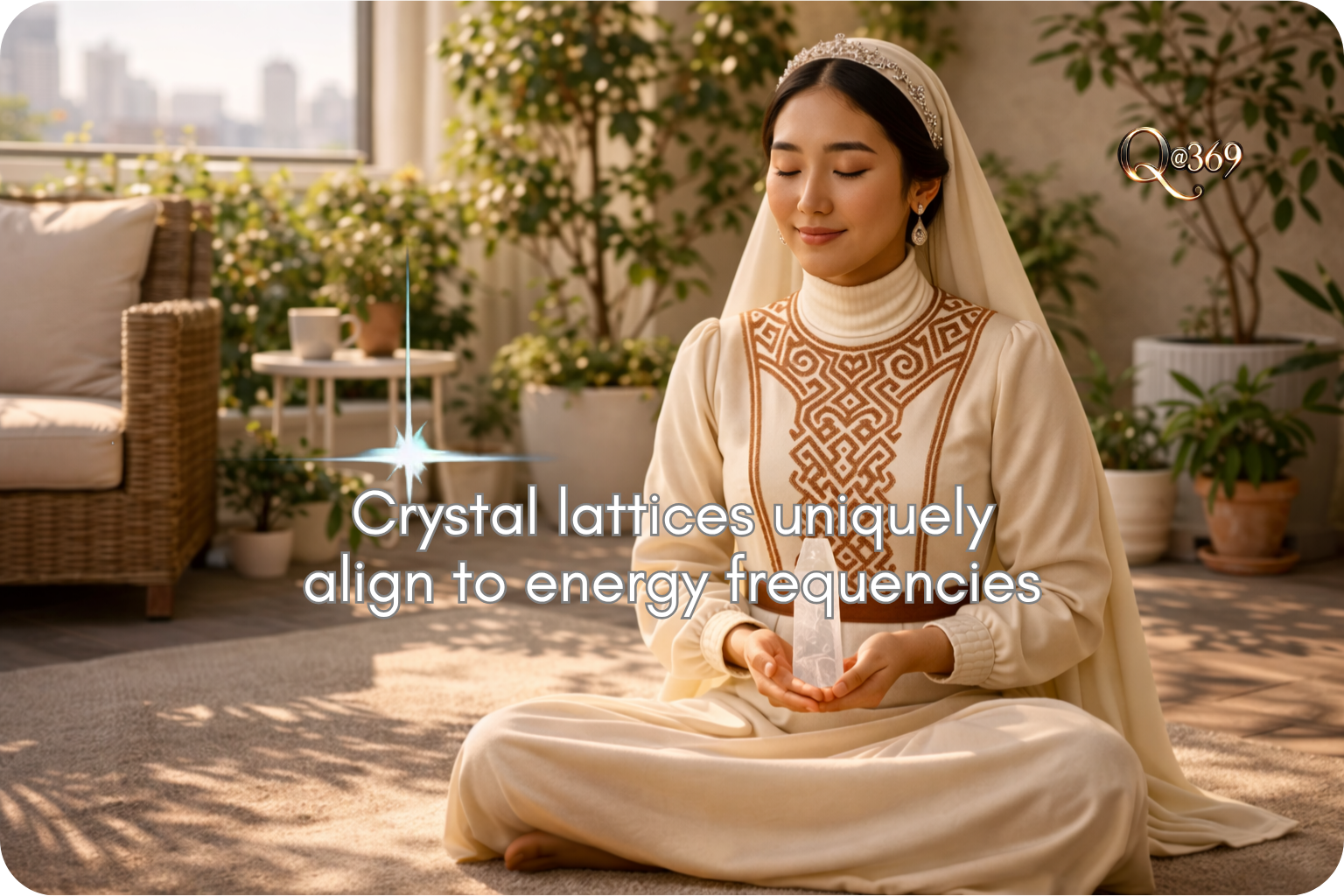
She selected a simple selenite crystal and assigned it a clear intention.
Each morning, she used it as a reminder to stay calm and focused.
Over time, her awareness improved.
She became more consistent in her thoughts and actions.
The crystal did not create change on its own.
Her intentional use created the result.
Aylin shared her experience with others.
She emphasized clarity, not exaggeration.
Her approach inspired trust.
It showed how mindful use creates real benefit.
Practical Ways To Use Crystals Mindfully
Start with intention.
Choose a clear purpose for using a crystal.
Focus on behavior, not belief alone.
Pair the object with a daily habit or reflection.
Use it as a visual anchor.
Let it remind you to stay aligned with your goal.
Avoid dependency.
The power comes from your awareness and action.
Track your results.
Notice changes in behavior, mood, and consistency.
This creates a feedback loop.
You strengthen what works and adjust what does not.
Balancing Science And Spirituality
Modern wellness often blends science and spirituality.
This balance requires honesty and awareness.
Science explains psychological and behavioral effects.
Spirituality provides meaning and emotional connection.
When combined correctly.
They support growth without confusion.
You do not need to reject one for the other.
You need to understand the role each plays.
Clarity creates alignment.
Alignment creates results.
Conclusion: Using Trends With Authenticity
You have explored how crystal trends influence modern wellness.
You understand their psychological value and cultural history.
You learned to question misinformation and focus on practical use.
You now see how intention shapes outcome.
Ask yourself.
How can you use tools without giving away your personal responsibility.
What changes when you focus on awareness instead of external solutions.
Use crystals as reminders.
Not as replacements for action.
When you align intention with behavior.
You create real and lasting results.
A study published in Psychological Science found that rituals and symbolic actions can reduce anxiety and improve performance outcomes.
Research from Harvard shows that intentional habits improve consistency and long term goal achievement.
References
- Norton M I, Gino F. Rituals Alleviate Grieving For Loved Ones. Psychological Science. 2014.
- Wood W, Neal D T. A New Look At Habits And The Habit Goal Interface. Psychological Review. 2007.
- Harvard Health Publishing. Habits And Behavior Change. Harvard Medical School. 2020.
- Kahneman D. Thinking Fast And Slow. Farrar Straus and Giroux. 2011.
See more of QuantumAlchemist369™ selected self-empowerment knowledge selections on the Book Shelf
Quantum Alchemy: The Convergence of Science, Spirit, and Enlightenment
Second Edition – Refined & Expanded

- Discover the practical link of modern science to ancient wisdom
- Read Sample Pages on Amazon
- Read Sample Pages on Amazon
- Follow the Link to Learn More
A Kind Request From the Author
Please give us your feedback.
Leave your comments below. We would love to hear your thoughts
More Crystals
Benefits of Joining Our Community
By joining QuantumAlchemist369™, you will love to stay informed and connected with us and the Quantum Alchemist community. Join us and receive free daily email updates of blogs, events, and useful insights.
Leave a Comment
We would love to hear your thoughts. Please leave a comment and share how this content resonates with your own mindful journey.
Forum Discussion
Join the Quantumarian Forum Community discussion.
Sustain the Alchemy
If the insights here have sparked something within you…We invite you to Sustain the Alchemy
You Will Want to Explore
All the items, books and graphic designs, available in our QuantumAlchemist369 Shop
Contact Us
For more information, and to contact Isaac Yue, visit our Contact Page.

Leave a Reply