
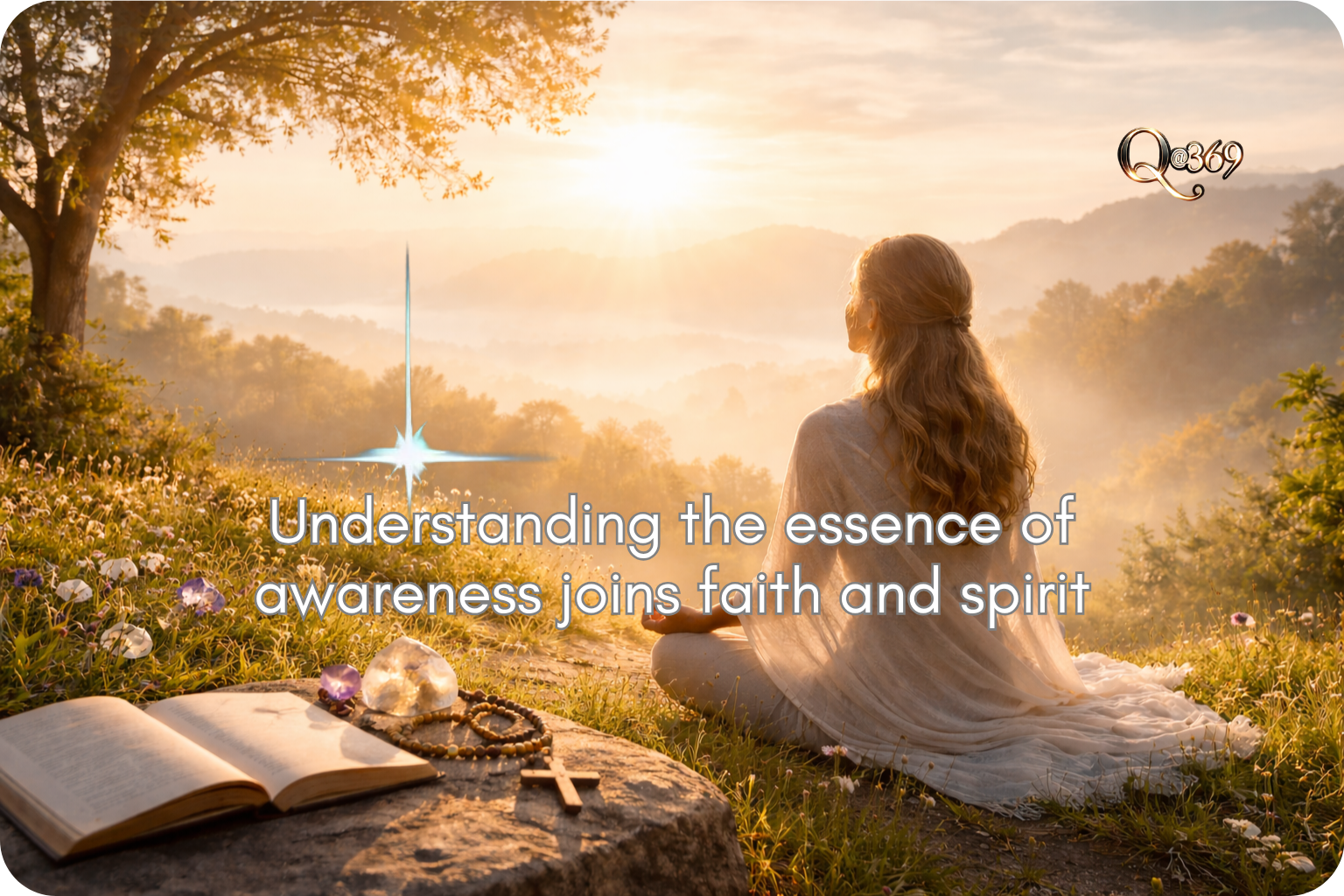
What guides belief and spirituality in understanding personal truth?
Faith and spirituality both guide human meaning, yet they operate through different forms of awareness.
Understanding their difference allows you to align belief, experience, and clarity in your daily life.
Understanding Faith And Spirituality
Faith is trust in something not directly proven through personal experience.
It often relies on teachings, tradition, and shared belief systems.
Spirituality is based on direct personal awareness and lived experience.
It develops through reflection, observation, and inner understanding.
Both provide value, yet they serve different roles in human development.
Isaac Yue Easter Reflection
Easter holds deep meaning for many who reflect on renewal, devotion, and transformation.
It represents a moment where faith becomes lived meaning through reflection and action.
Respect for this tradition reminds us that belief can inspire profound personal and collective growth
The Role Of Belief Versus Direct Experience
Belief creates structure and direction for many individuals.
It offers guidance during uncertainty and builds community connection.
Direct experience creates personal certainty through awareness.
It allows you to validate understanding through observation and reflection.
When belief and experience align, clarity becomes stronger and more stable.
A Scientific Perspective On Perception And Meaning
Neuroscience shows the brain interprets reality through both prior belief and sensory input.
This process is known as predictive processing.
Your brain continuously compares expectation with incoming information.
Beliefs influence perception, while experience refines accuracy.
This means understanding evolves when awareness and evidence interact.
Personal Alignment Through Awareness
Alignment occurs when belief and experience support each other.
You act with confidence because your understanding is clear.
Awareness allows you to question and refine your beliefs.
This creates growth without losing direction.
Clarity emerges when you remain open to both structure and discovery.
Aylin Reflects On Meaning

Aylin sat quietly one morning reflecting on her understanding of belief and experience.
She thought about lessons she had learned through both teaching and personal reflection.
She realized some beliefs had guided her early decisions.
Other understandings came only through direct experience over time.
Instead of choosing one over the other, she allowed both to exist together.
This balance created clarity rather than conflict.
Her awareness deepened as she aligned what she believed with what she had lived.
This alignment strengthened her confidence and direction.
A Surprising Scientific Insight
Research in cognitive science shows individuals who question and refine beliefs improve decision accuracy.
This process reduces cognitive bias and strengthens understanding over time.
Practical Application In Daily Life
Examine one belief and ask how it formed.
Reflect on experiences that support or challenge it.
Remain open to new understanding without losing direction.
Align your actions with what you both believe and experience.
Benefits Of Alignment
You reduce internal conflict and confusion.
You improve clarity in decision making.
You strengthen confidence through lived understanding.
You create balance between structure and awareness.
Finding Balance Between Belief And Experience
You have learned the difference between faith and spirituality.
You understand how belief and direct experience shape your perception of truth.
You can now align these elements to create clarity and personal growth.
What belief today can you examine through direct experience?
How can awareness strengthen your understanding of truth?
Use both faith and experience to guide a balanced and meaningful life.
Research from the American Psychological Association shows reflective thinking improves decision accuracy and reduces cognitive bias in complex environments.
References
- American Psychological Association. Reflective Thinking and Decision Making Research.
- Friston, K. 2010. The free energy principle in neuroscience. Nature Reviews Neuroscience.
- Clark, A. 2013. Whatever next predictive brains and the future of cognitive science. Behavioral and Brain Sciences.
- Kahneman, D. 2011. Thinking Fast and Slow. Farrar, Straus and Giroux.
See more of QuantumAlchemist369™ selected self-empowerment knowledge selections on the Book Shelf
Quantum Alchemy: The Convergence of Science, Spirit, and Enlightenment
Second Edition – Refined & Expanded

- Discover the practical link of modern science to ancient wisdom
- Read Sample Pages on Amazon
- Read Sample Pages on Amazon
- Follow the Link to Learn More
A Kind Request From the Author
Please give us your feedback.
Leave your comments below. We would love to hear your thoughts
Benefits of Joining Our Community
By joining QuantumAlchemist369™, you will love to stay informed and connected with us and the Quantum Alchemist community. Join us and receive free daily email updates of blogs, events, and useful insights.
Leave a Comment
We would love to hear your thoughts. Please leave a comment and share how this content resonates with your own mindful journey.
Forum Discussion
Join the Quantumarian Forum Community discussion.
Sustain the Alchemy
If the insights here have sparked something within you…We invite you to Sustain the Alchemy
You Will Want to Explore
All the items, books and graphic designs, available in our QuantumAlchemist369 Shop
Contact Us
For more information, and to contact Isaac Yue, visit our Contact Page.

Leave a Reply