
How does sound influence your emotional and mental state each day?
You experience measurable changes in mood and focus through frequency and rhythm.
Understanding the science of sound science helps you use music as a tool for alignment and well being.
The Science Of Sound And Resonance
Sound travels as vibration through air and within your body.
Your brain and nervous system respond to these frequencies in measurable ways.
Resonance occurs when external sound matches internal biological rhythms.
This alignment can support calm focus or increased energy.
Brainwave Entrainment And Binaural Beats
Binaural beats use slightly different tones in each ear to influence brainwave activity.
Your brain processes the difference as a rhythmic pulse.
Studies show this can support relaxation, focus, and improved mental clarity.
Different frequency ranges correspond to different brain states.
Healing Frequencies And Emotional Regulation
Certain sound frequencies are linked to emotional balance and stress reduction.
Low steady tones can calm the nervous system.
Rhythmic patterns can stabilize emotional responses.
Music therapy research shows sound can reduce anxiety and improve mood.
The Role Of Music In Daily Productivity
Music can enhance concentration when used intentionally.
Instrumental and ambient sounds reduce distraction and support deep work.
Fast tempo music can increase energy during physical activity.
You can match sound to your desired mental state.
Curated Playlists For Alignment
Curated playlists allow you to guide your emotional and mental state throughout the day.
Morning playlists can support clarity and motivation.
Work playlists can enhance focus and productivity.
Evening playlists can promote relaxation and recovery.
Singing Bowls As Practical Tools
Singing bowls produce sustained harmonic tones that support relaxation.
These tones create vibrational patterns that influence the body and mind.
Many users report improved focus and reduced stress during use.
They provide a simple daily practice for sound based alignment.
The Neuroscience Behind Sound Influence
Research shows music activates multiple brain regions including emotion and memory centers.
This creates a powerful link between sound and psychological state.
Consistent exposure to calming sound patterns can support long term emotional regulation.
This makes sound a practical tool for mental well being.
Chloe Finds Her Rhythm

Chloe often felt mentally saturated while working on new clothing designs.
She noticed her focus would decline after long periods of intense creative effort.
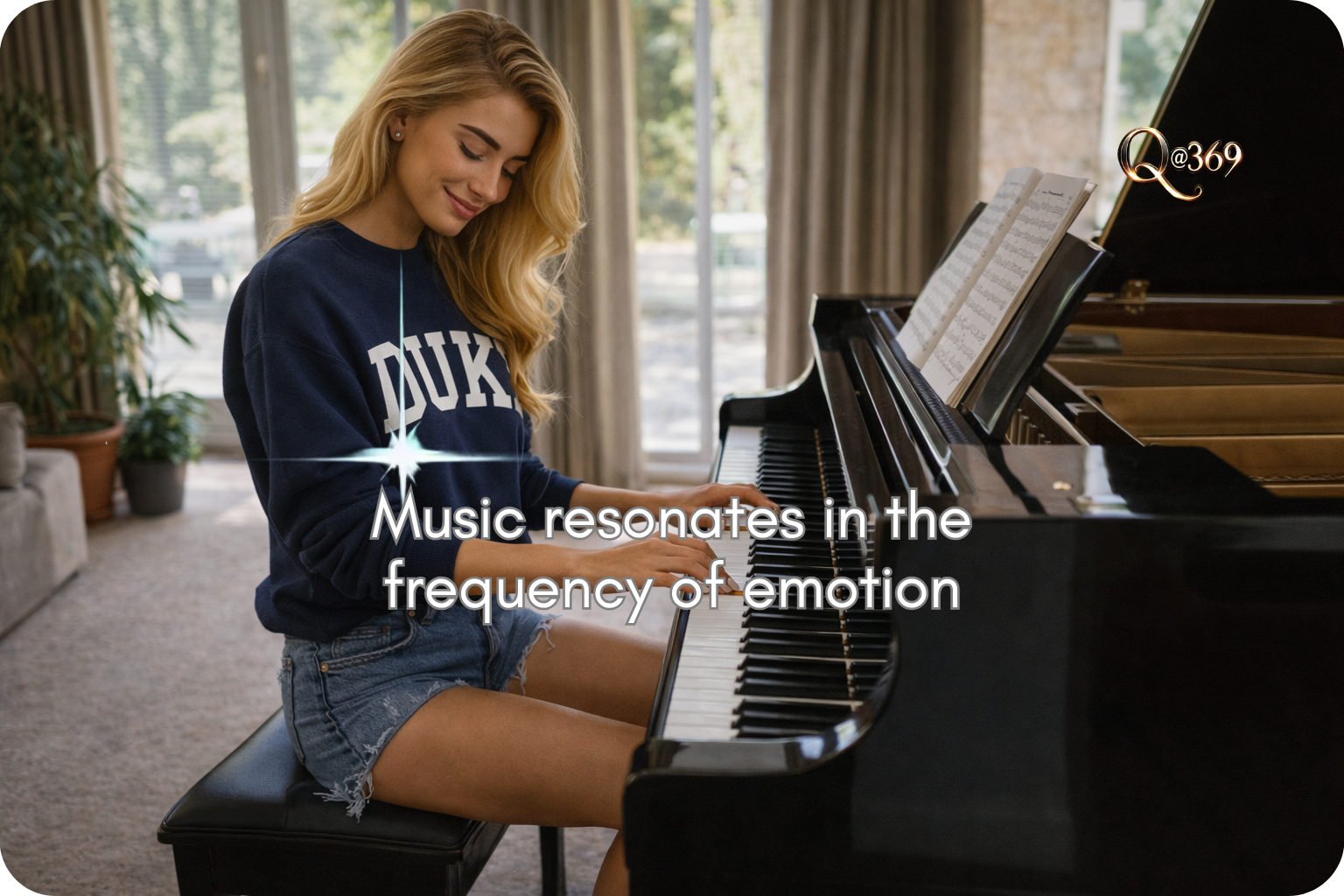
As an accomplished concert pianist, she chose to take intentional breaks at her piano.
She stepped away from her designs and began to play soft, expressive pieces.
The music helped reset her mental state and restore emotional balance.
After each session, she returned to her work with renewed clarity and creativity.
Her designs improved as her mind stayed refreshed and aligned.
“Sound is not just heard, it is experienced within the body. When frequency aligns with awareness, balance becomes natural.” – Isaac Yue
A Surprising Scientific Insight
Studies show music can reduce cortisol levels and improve emotional stability.
This supports the use of sound as a daily tool for stress management.
Consistent exposure to calming sound improves overall well being.
Practical Application In Daily Life
Choose music that matches your desired mental state.
Use binaural beats for focus or relaxation sessions.
Create playlists for different parts of your day.
Incorporate sound tools like singing bowls into your routine.
Observe how sound influences your mood and adjust accordingly.
Benefits Of Sound Based Alignment
You improve emotional regulation and reduce stress.
You increase focus and productivity.
You create intentional control over your mental state.
You support long term well being through simple daily practices.
Conclusion Using Sound For Alignment And Well Being
You now understand how sound influences your emotional and mental state.
You learned how resonance and frequency support alignment and focus.
You can apply music and sound tools to improve daily performance and well being.
What sound will you choose today to shape your state of mind?
Use awareness and intention to create balance through frequency.
Research from the American Music Therapy Association shows that music therapy significantly reduces stress and improves emotional well being in clinical and everyday settings.
References
- Thaut, M. H. 2005. Rhythm, Music, and the Brain. Routledge.
- Levitin, D. J. 2006. This Is Your Brain on Music. Dutton.
- Koelsch, S. 2014. Brain correlates of music evoked emotions. Nature Reviews Neuroscience.
- American Music Therapy Association. 2020. Music therapy and stress reduction.
See more of QuantumAlchemist369™ selected self-empowerment knowledge selections on the Book Shelf
Quantum Chef: Fusion Meets Flavor Alchemy

- Cook with intention
- Create with joy
- Nourish with flavor
- Read Sample Pages on Amazon
- Learn More here
A Kind Request From the Author
Please give us your feedback.
Leave your comments below. We would love to hear your thoughts
More Sound Science
Benefits of Joining Our Community
By joining QuantumAlchemist369™, you will love to stay informed and connected with us and the Quantum Alchemist community. Join us and receive free daily email updates of blogs, events, and useful insights.
Leave a Comment
We would love to hear your thoughts. Please leave a comment and share how this content resonates with your own mindful journey.
Forum Discussion
Join the Quantumarian Forum Community discussion.
Sustain the Alchemy
If the insights here have sparked something within you…We invite you to Sustain the Alchemy
You Will Want to Explore
All the items, books and graphic designs, available in our QuantumAlchemist369 Shop
Contact Us
For more information, and to contact Isaac Yue, visit our Contact Page.


Leave a Reply