
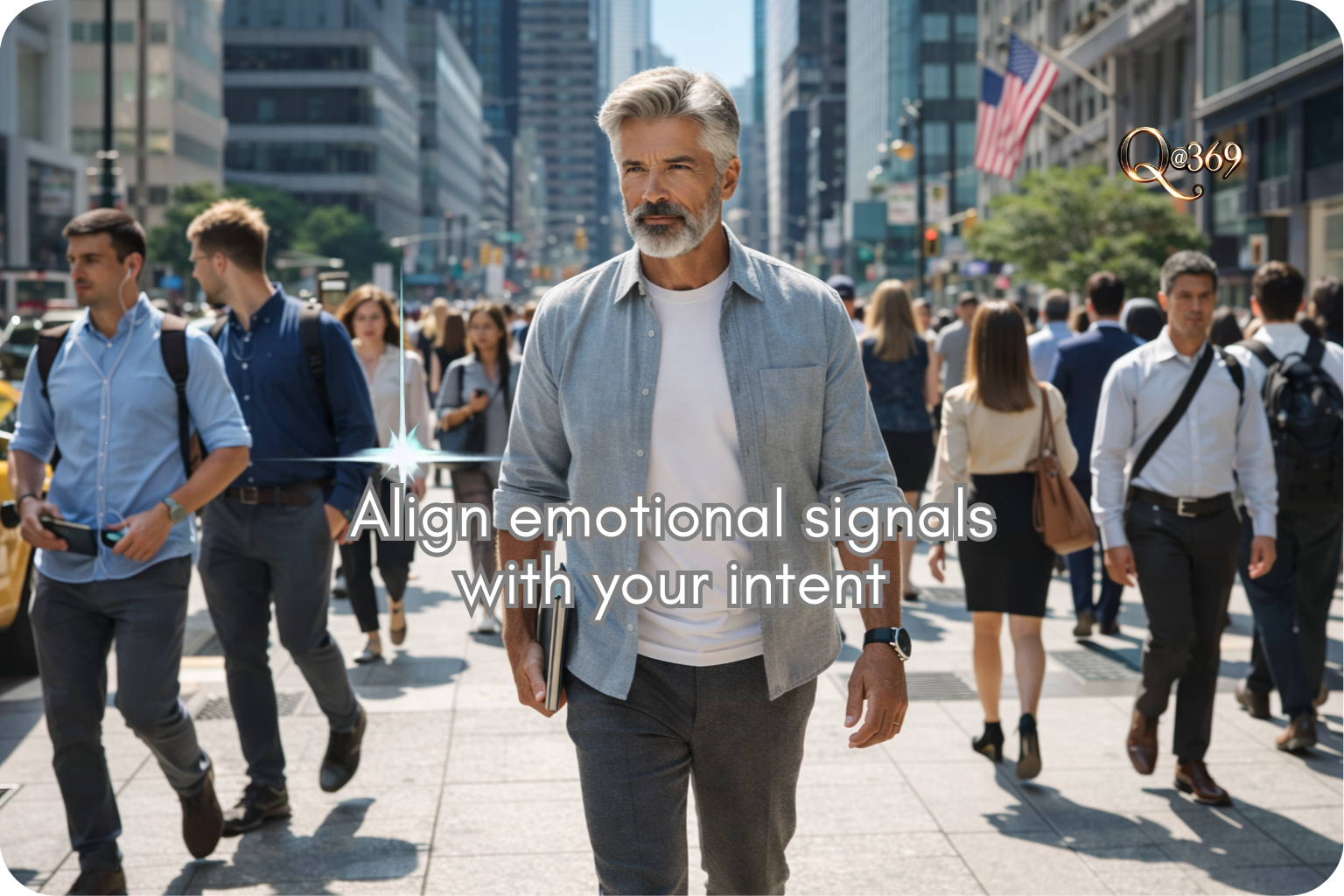
Why do experiences influence perception differently in people?
Science shows that emotional state strongly shapes perception and attention.
The brain filters reality through emotional signals before conscious awareness fully forms.
Emotional awareness allows us to see life more clearly and respond with intention.
Continue reading to understand how neuroscience, quantum observation, and awareness work together.
How the Brain Filters Experience
The brain receives more information than it can consciously process.
Filtering systems select what appears important based on survival and emotional signals.
Neuroscience shows that attention depends heavily on internal state.
Spiritually, awareness helps us recognize that perception is not always objective.
Practical application. Pause and notice your emotional state before reacting.
Emotional Priming and Perception
Emotional priming occurs when feelings influence what the brain notices first.
A stressed mind often detects threats, while a calm mind notices opportunities.
Chemistry inside the brain shifts attention through hormones and neurotransmitters.
Spiritually, emotional awareness allows greater inner balance.
Practical application. Name your emotion to reduce automatic reactions.
Why Mood Changes What You See
Research shows that mood influences memory recall and interpretation of events.
Positive emotional states broaden attention while negative states narrow focus.
This explains why the same situation can feel different on different days.
Spiritually, awareness creates space between feeling and interpretation.
Practical application. Avoid major decisions when emotional intensity is high.
The Quantum Perspective on Observation
Quantum science teaches that observation influences measurable outcomes.
While human perception is not quantum measurement, the principle highlights attention’s importance.
What we focus on shapes what we experience and remember.
Spiritually, intentional observation strengthens coherence.
Practical application. Direct attention toward what supports growth and clarity.
Neurobiology of Emotional Awareness
The prefrontal cortex helps regulate emotional responses and improve decision making.
When awareness increases, reactive brain centers lose some influence.
This creates calmer thinking and improved perception.
Spiritually, self awareness strengthens inner stability.
Practical application. Slow breathing supports emotional regulation.
Emotions and the Stories We Tell
The brain naturally builds stories to explain emotional experiences.
These stories can strengthen or distort perception depending on awareness.
Spiritually, conscious reflection helps separate fact from interpretation.
Practical application. Ask yourself what you know versus what you assume.
Isaac’s Insight

I have noticed that emotional clarity changes how people interpret the world around them.
When we become aware of our emotional state, perception becomes less reactive and more truthful.
Awareness does not remove emotion, yet it helps guide it.
Practical application. Observe emotion without judging it
“Align emotional signals with your intent, and your perception begins to reflect the reality you are consciously choosing to build.” – Isaac Yue
How Conscious Awareness Improves Daily Life
Emotional awareness improves communication, decision making, and relationships.
Neuroscience confirms that regulated emotions improve attention and learning.
Spiritually, calm awareness strengthens connection with others.
Practical application. Check emotional tone before starting important conversations.
Conclusion
Your emotional state influences what you notice, how you interpret events, and how you respond.
You learned how brain filtering, emotional priming, and observation work together.
What might change if you observed your emotions before interpreting your day?
Take one moment today to pause and identify your emotional state clearly.
Forward benefit. Emotional awareness creates clearer perception and more coherent choices.
Isaac Yue Reflection
I have learned that perception becomes clearer when emotion is acknowledged rather than ignored.
Awareness allows feeling and clarity to exist together without conflict.
The more conscious we become, the more accurately we see.
Research shows that emotional awareness practices can reduce stress and improve attention control according to studies published by the American Psychological Association. American Psychological Association
References
- LeDoux Joseph, The Emotional Brain, Simon and Schuster, 1996
- Damasio Antonio, Descartes Error, Putnam, 1994
- Sapolsky Robert, Behave, Penguin Books, 2017
- Kahneman Daniel, Thinking Fast and Slow, Farrar Straus and Giroux, 2011
The Quantumarian Way

- Clear path to understanding coherence
- Align your daily harmonious life.
- Available in Print, Kindle and Audio
- Read Sample Pages on Amazon
- Learn More
Please give us your feedback.
Leave your comments below. We would love to hear your thoughts
More Observation
Benefits of Joining Our Community
By joining QuantumAlchemist369™, you will love to stay informed and connected with us and the Quantum Alchemist community. Join us and receive free daily email updates of blogs, events, and useful insights.
Leave a Comment
We would love to hear your thoughts. Please leave a comment and share how this content resonates with your own mindful journey.
Forum Discussion
Join the Quantumarian Forum Community discussion.
Sustain the Alchemy
If the insights here have sparked something within you…We invite you to Sustain the Alchemy
Contact Us
For more information, and to contact Isaac Yue, visit our Contact Page.


Leave a Reply