
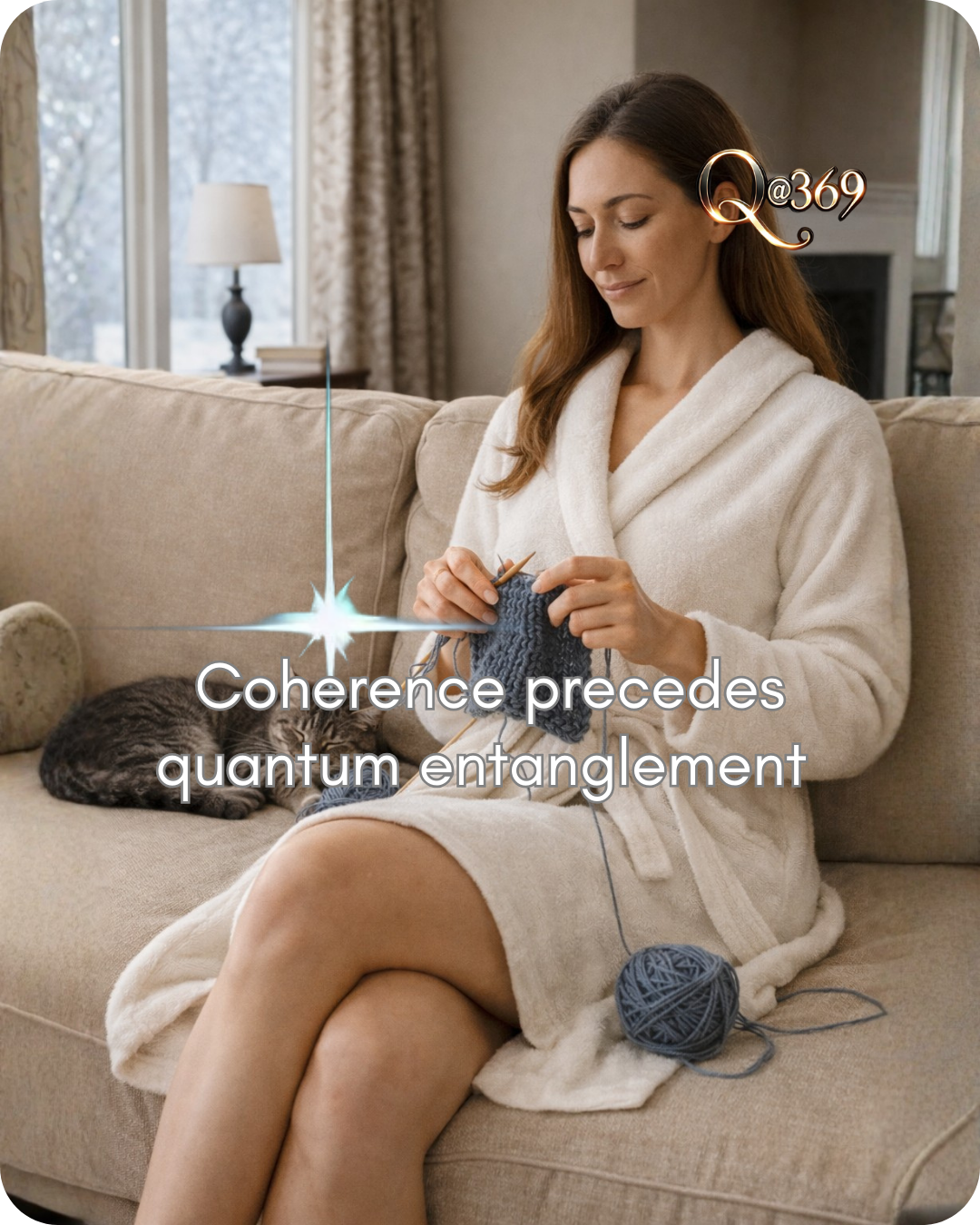
How does coherence enable a stable relationship?
Marriage is frequently treated as a status instead of a daily love and coherence practice.
This reflection explores how emotional regulation shared awareness and aligned values sustain conscious partnership.
Marriage Beyond Social Definition
Marriage is often defined by ceremony law or public identity.
These definitions provide structure but do not create relational stability.
Stability emerges through daily emotional regulation and awareness between partners.
Marriage functions as a living system rather than a fixed role.
Benefit
This perspective reduces pressure by shifting focus from labels to lived connection.
The Nervous System Inside Partnership
Each partner brings an independent nervous system into marriage.
Stress patterns calm states and emotional reactions influence one another continuously.
Neuroscience shows close relationships synchronize emotional regulation over time.
Unregulated stress in one partner often activates stress in the other.
Benefit
Understanding nervous system dynamics increases patience and emotional safety.
Shared Awareness as a Daily Practice
Awareness in marriage involves tone timing and response.
Small moments of attention shape long term coherence more than major events.
Listening without interruption regulates emotional signaling between partners.
Presence stabilizes communication even during disagreement.
Benefit
Shared awareness builds trust without emotional intensity or control.
Aligned Values as Stabilizers
Values guide behavior when emotions fluctuate.
Couples with aligned values resolve stress more consistently over time.
Alignment does not require identical preferences.
It requires clarity mutual respect and honesty.
Relationship research links value alignment with long term satisfaction. Benefit
Aligned values reduce friction during challenging decisions.

“Coherence is not born from connection; it exists first. When inner alignment is established, meaningful entanglement naturally follows.” – Isaac Yue
Julie Ann and the Practice of Coherence
Julie Ann once believed marriage would resolve emotional uncertainty.
Early conflict revealed unspoken expectations and reactive habits.
She began pausing before responding during difficult conversations.
This pause reduced escalation and restored clarity.
Her partner responded with openness rather than defensiveness.
Over time repair replaced emotional tension.
Benefit
Practicing coherence transforms conflict into connection.
Marriage as a Feedback System
Marriage reflects internal emotional states rather than correcting them.
Unresolved stress amplifies through close partnership.
Coherence within one partner stabilizes the shared environment.
This mirrors feedback principles found in systems science.
Benefit
Self regulation improves relationship quality without changing the other person.
A Simple Coherence Check In
Pause before responding during emotional moments.
Notice breathing muscle tension and mental clarity.
Respond only after regulation returns.
This practice supports mutual regulation without avoidance.
Benefit
Conscious response preserves connection during stress.
Marriage as an Ongoing Practice
Marriage evolves through repeated awareness choices.
Coherence strengthens through consistency rather than perfection.
Conscious partnership becomes a shared field of growth.
Benefit
Marriage feels stable supportive and expansive over time.
CONCLUSION
Marriage thrives when treated as a coherence practice.
This reflection showed how regulation awareness and values shape partnership stability.
How does your internal state influence shared experience today?
Practice awareness before expression in your next interaction.
Conscious partnership strengthens when coherence leads connection.
Couples practicing emotional regulation report 31 percent higher relationship satisfaction according to the Gottman Institute.
References
- Gottman, J., The Seven Principles for Making Marriage Work, Harmony Books, 2015
- Siegel, D., The Developing Mind, Guilford Press, 2012
- Porges, S., The Polyvagal Theory, Norton, 2011
- Hazan, C., Shaver, P., Romantic Love as Attachment, Journal of Personality and Social Psychology, 1987
- Coan, J., Davidson, R., Lending a Hand, Psychological Science, 2006
Breaking Barriers: A Story of Love, Business and Possibilities

- Inspiration for anyone aspiring to live harmoniously
- Overcome challenges, and find purpose
- Altynai’s journey unlocks infinite possibilities
- Read Sample on Amazon
- Follow Link to Learn More
Please give us your feedback.
Leave your comments below. We would love to hear your thoughts
More Love and Coherence
Benefits of Joining Our Community
By joining QuantumAlchemist369™, you will love to stay informed and connected with us and the Quantum Alchemist community. Join us and receive free daily email updates of blogs, events, and useful insights.
Leave a Comment
We would love to hear your thoughts. Please leave a comment and share how this content resonates with your own mindful journey.
Forum Discussion
Join the Quantumarian Forum Community discussion.
Sustain the Alchemy
If the insights here have sparked something within you…We invite you to Sustain the Alchemy
You Will Want to Explore
All the items, books and graphic designs, available in our QuantumAlchemist369 Shop
Contact Us
For more information, and to contact Isaac Yue, visit our Contact Page.


Leave a Reply