

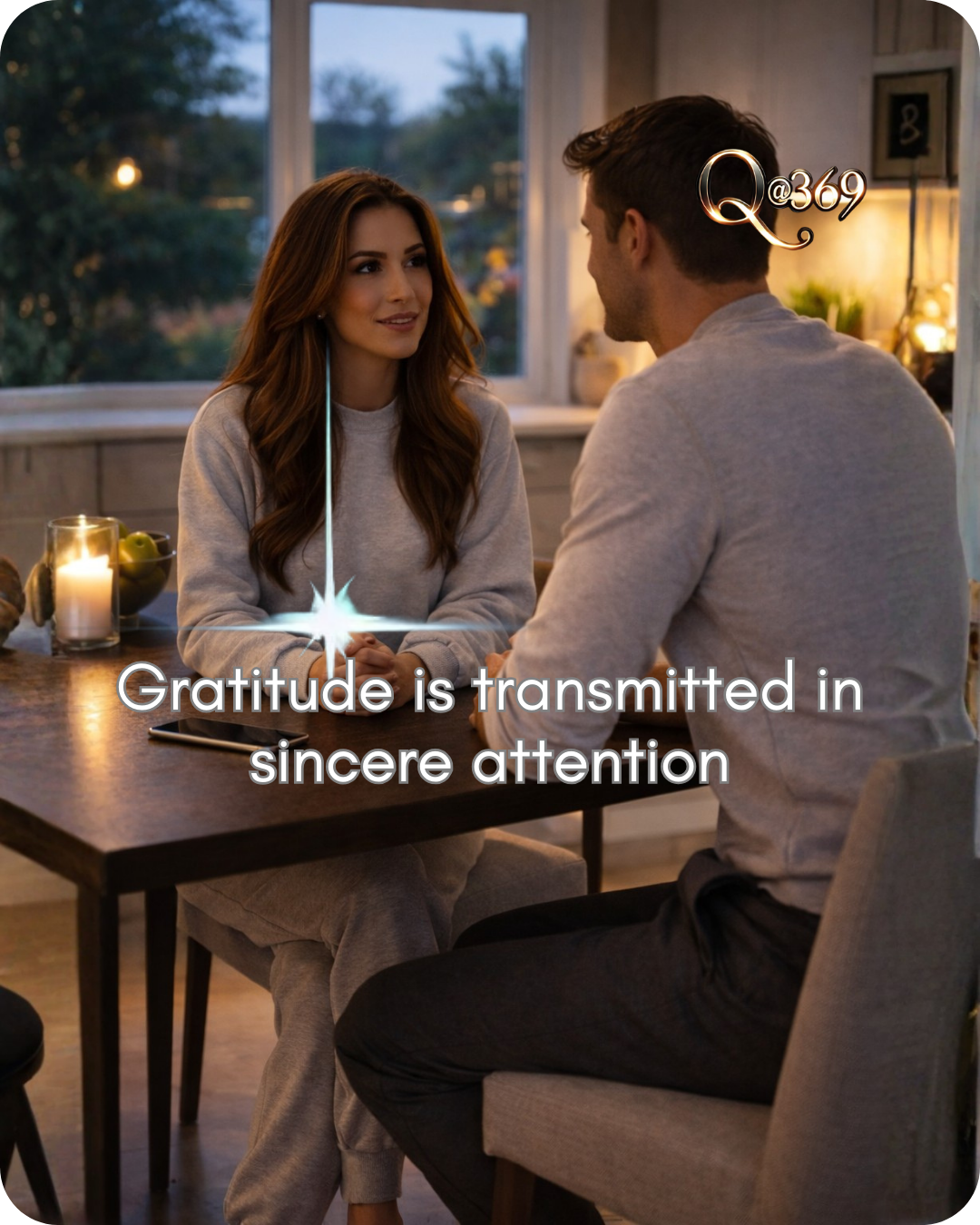
What happens inside the brain when two people give full attention to each other?
Shared attention shapes emotional bonding through synchronized neural activity and chemical signaling.
Understanding this process helps you build trust presence and deeper connection intentionally.
Attention as the Gateway to Bonding
Attention directs neural resources toward another person.
This focus signals safety interest and availability.
Bonding strengthens when attention is sustained and undivided.
Connection fades when attention fragments.
Neural Synchrony in Shared Attention
Neuroscience shows brains synchronize during shared focus.
Heart rhythms breathing and neural timing align naturally.
This synchrony increases mutual understanding.
You feel seen without explanation.
Oxytocin and Attunement
Oxytocin releases during moments of attentive presence.
Eye contact listening and calm tone increase this response.
Oxytocin supports trust bonding and emotional openness.
Presence strengthens chemistry more than words.
Quantum Coherence as an Analogy
In physics coherence describes aligned system behavior.
Human bonding mirrors this principle through attention alignment.
When focus aligns emotional signals stabilize.
Connection feels effortless rather than forced.
Why Distraction Weakens Connection
Divided attention interrupts neural synchrony.
Chemistry responses reduce under constant distraction.
Bonding feels inconsistent or shallow.
Presence restores relational depth.
Practical Shared Attention Tool
Choose one interaction daily for full presence.
Silence devices and maintain gentle eye contact.
Listen without planning responses.
Notice emotional tone shift naturally.

“Gratitude is not spoken first. It is transmitted through sincere attention, where presence quietly honors another without demand.” – Isaac Yue
Julie Ann Parable
Julie Ann noticed distance during busy evenings.
She set aside devices during conversations.
Connection returned without effort.
Attention restored emotional bonding.
Benefits of Attentive Bonding
Trust develops faster with shared presence.
Misunderstandings decrease naturally.
Emotional safety strengthens relationships.
Love feels stable and reciprocal.
Practicing Attention for Deeper Bonding
Attention shapes bonding through neural synchrony and chemistry.
You learned how presence aligns emotional systems.
Where could focused attention deepen your relationships today?
Begin by offering full presence in one interaction.
Couples practicing attentive listening show higher oxytocin levels and improved relationship satisfaction.
References
- Coan, James A. Social Baseline Theory. Current Directions in Psychological Science, 2011.
- Siegel, Daniel J. Mindsight. Bantam Books, 2010.
- Carter, C. Sue. Oxytocin and Human Bonding. Progress in Brain Research, 2014.
- Decety, Jean. The Social Neuroscience of Empathy. MIT Press, 2009.
“Breaking Barriers: A Story of Love, Business and Possibilities”

By Isaac Yue
This book is a source of inspiration for anyone aspiring to live harmoniously, overcome challenges, and find purpose. Altynai’s journey showcases how to unlock life’s infinite possibilities by breaking down barriers. Through personal and professional obstacles, she illustrates that challenges are opportunities for growth
- Read Sample on Amazon
- Follow Link to Learn More
Please give us your feedback.
Leave your comments below. We would love to hear your thoughts
More Shared Attention
Benefits of Joining Our Community
By joining QuantumAlchemist369™, you will love to stay informed and connected with us and the Quantum Alchemist community. Join us and receive free daily email updates of blogs, events, and useful insights.
Leave a Comment
We would love to hear your thoughts. Please leave a comment and share how this content resonates with your own mindful journey.
Forum Discussion
Join the Quantumarian Forum Community discussion.
Sustain the Alchemy
If the insights here have sparked something within you…We invite you to Sustain the Alchemy
You Will Want to Explore
All the items, books and graphic designs, available in our QuantumAlchemist369 Shop
Contact Us
For more information, and to contact Isaac Yue, visit our Contact Page.


Leave a Reply