

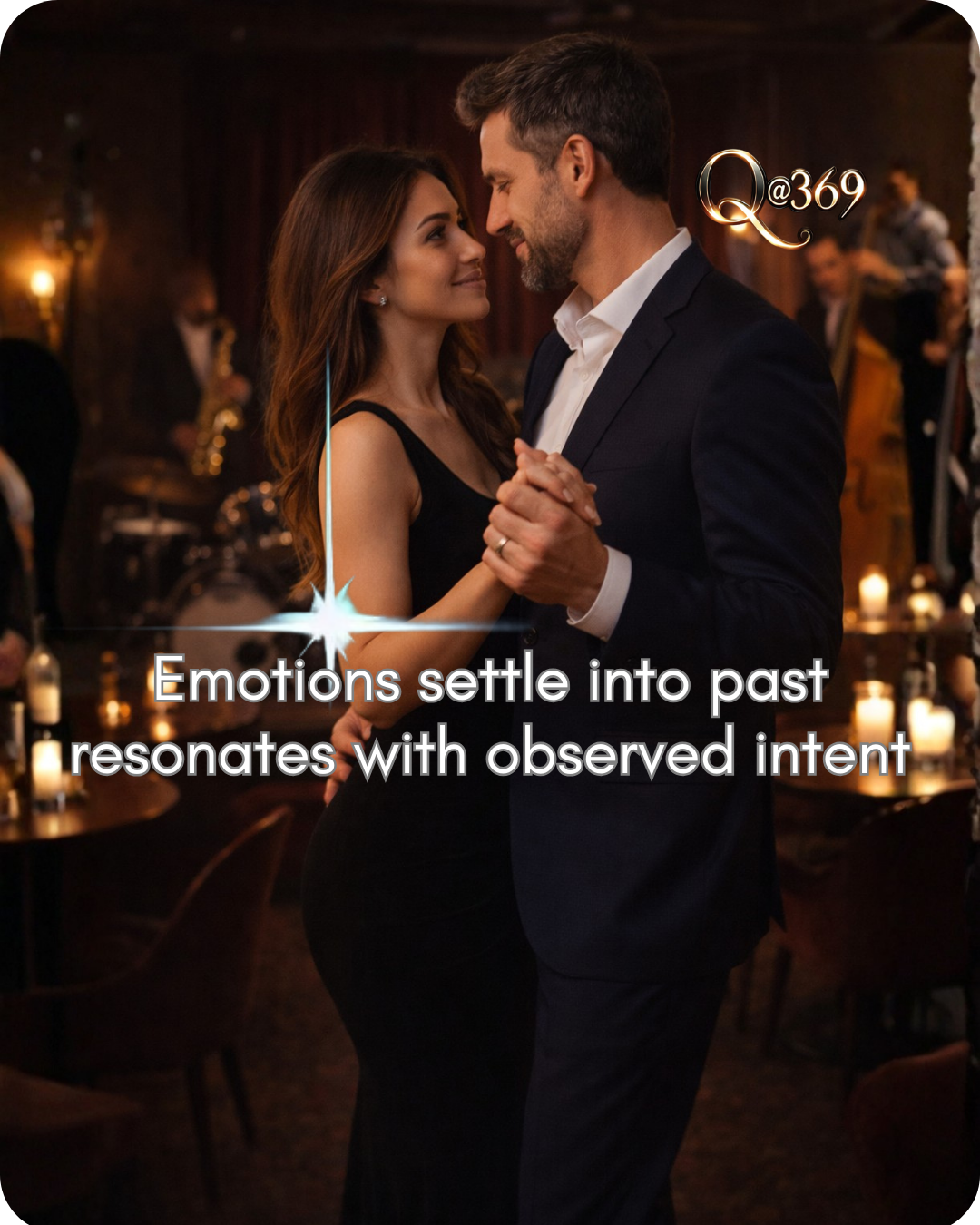
Where do emotions begin to end?
Emotional closure reveals how unfinished experiences shape your mental and emotional state.
This topic matters because unresolved emotion quietly consumes attention and energy.
Understanding closure helps you enter the weekend with clarity freedom and renewed focus.
☼ AUDIO: Listen to “Where do emotions begin to end?” by Isaac Yue
☼ Also Available on Spotify
Why Emotional Closure Matters
Emotional closure means completing internal responses to experiences that already ended.
Your brain continues processing unresolved emotion even when events are over.
Completion restores mental space and emotional stability.
The Neurobiology of Completion
The brain seeks resolution through pattern completion and prediction closure.
Unfinished emotional loops keep the stress response active.
Completion signals safety and reduces cognitive load.
Emotional Carryover Into the Weekend
Unresolved emotions follow you into rest periods.
This carryover limits recovery and enjoyment.
Closure allows true mental rest and emotional renewal.

“Emotions settle into the past when intent is observed with clarity, allowing experience to resolve and meaning to remain.” – Isaac Yue
Julie Ann Observes Her Week
Julie Ann notices tension lingering from unfinished conversations and unmet expectations.
She pauses to name what remains unresolved.
Awareness becomes the first step toward closure.
Reflection as a Neural Reset
Reflection activates the prefrontal cortex.
This region helps regulate emotional responses.
A Simple Closure Practice
Write three moments from the week that still hold emotional weight.
Name the emotion without judgment.
State what you learned from each moment.
Why This Practice Works
Naming emotion reduces amygdala reactivity.
Meaning making supports emotional integration.
The nervous system receives a signal of completion.
Mental Freedom Before Rest
Closure frees attention and restores internal balance.
Mental space opens for creativity and connection.
Rest becomes deeper and more restorative.
A Historical Insight
Ancient Stoic philosophers practiced daily reflection before rest.
They believed review created mental order and ethical clarity.
Modern neuroscience confirms similar benefits.
Practical Use for Your Life
Practice emotional closure every Friday afternoon.
Protect your weekend from unresolved stress.
Enter rest with clarity intention and freedom.
Conclusion
Emotional closure completes the mental cycles of your week.
You learned how reflection supports neural completion and freedom.
What emotions are you ready to release before rest begins.
Use weekly closure to protect your energy and clarity.
Studies show structured emotional reflection reduces perceived stress by up to thirty percent within weeks.
References
- Baumeister R Vohs K Handbook of Self Regulation Guilford Press 2007
- McEwen B The End of Stress as We Know It Dana Press 2002
- Damasio A Self Comes to Mind Pantheon 2010
- Siegel D Mindsight Bantam 2010
“The Quantumarian Way”

“The Quantumarian Way” offers a clear and grounded approach to understanding coherence and how it shapes a harmonious life. This book is for those seeking clarity without complexity and harmony without perfection.
- Read Sample Pages on Amazon
- Learn More
Please give us your feedback.
Leave your comments below. We would love to hear your thoughts
More Emotional Closure
Benefits of Joining Our Community
By joining QuantumAlchemist369™, you will love to stay informed and connected with us and the Quantum Alchemist community. Join us and receive free daily email updates of blogs, events, and useful insights.
Leave a Comment
We would love to hear your thoughts. Please leave a comment and share how this content resonates with your own mindful journey.
Contact Us
For more information, and to contact Isaac Yue, visit our contact page.


Leave a Reply