

Why does emotional regulation change the way you communicate with others?
Communication reflects how brain chemistry and nervous system signals shape tone timing and clarity.
Neurobiology shows emotional regulation improves listening accuracy and response quality.
This reflection helps you strengthen conversations through awareness and practical regulation.
☼ AUDIO: Listen to “Why does emotional regulation change the way you communicate with others?” by Isaac Yue
☼ Also Available on Spotify
Communication Begins in the Nervous System
Communication starts before words are spoken.
Emotional signals shape facial expression voice pace and posture.
The nervous system broadcasts safety or threat cues instantly.
Regulation stabilizes these signals and supports clarity.
Brain Chemistry and Emotional Signaling
Stress chemistry narrows attention and speeds reactive speech.
Calm regulation supports balanced neurotransmitter activity.
This improves cognitive flexibility and word choice.
Conversations become clearer and less defensive.
Why Regulation Improves Listening
Unregulated emotion pulls attention inward.
Regulation frees cognitive resources for listening.
The brain processes nuance and intent more accurately.
Understanding improves without effort.

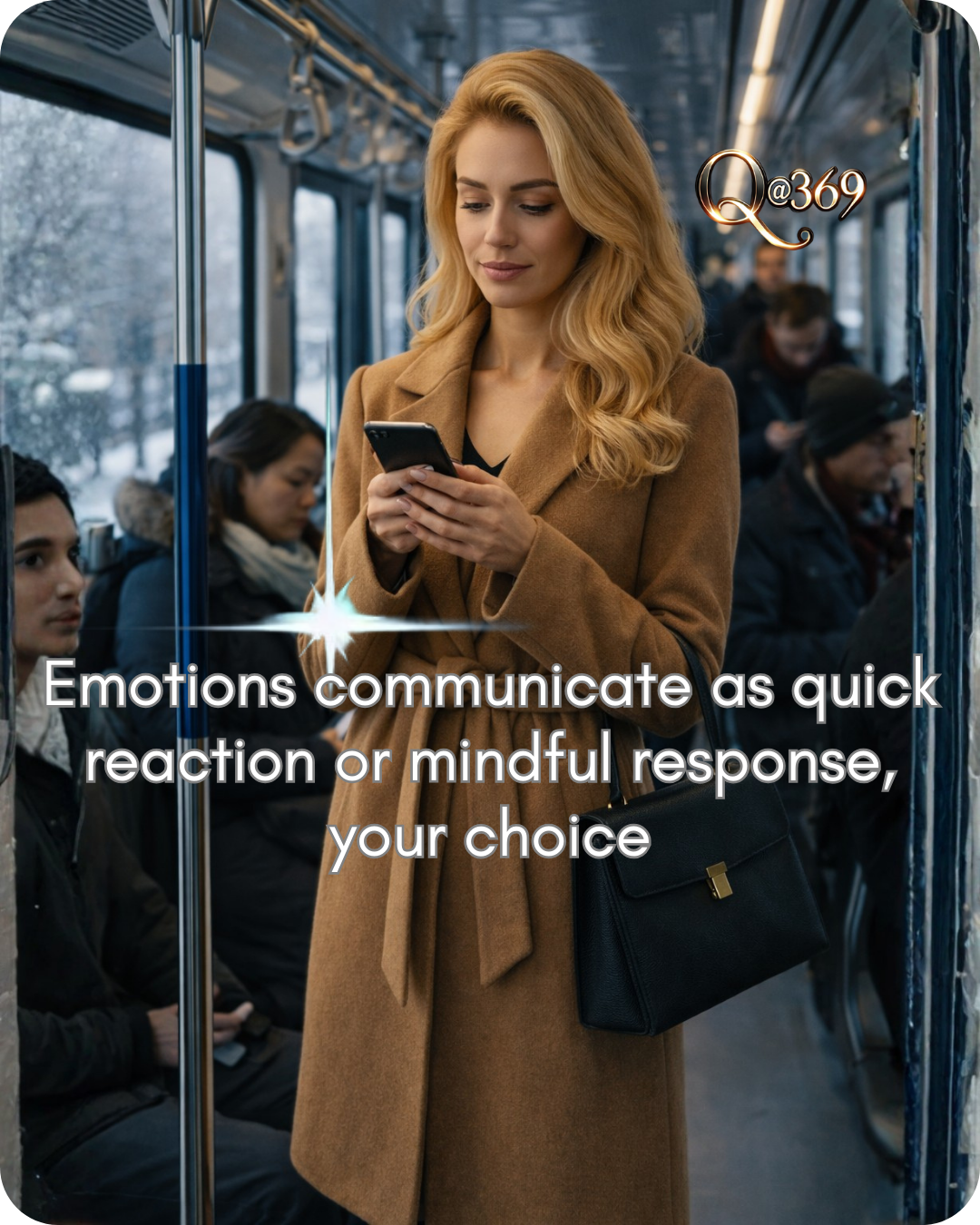
“Emotions speak either as rapid reaction or mindful response. Awareness determines which voice you allow to lead” – Isaac Yue
Chloe and the Missed Message
Chloe noticed texts felt tense during a busy afternoon.
She paused and regulated her breath before replying.
Her response softened the exchange immediately.
Clarity returned without explanation.
Emotional Regulation in Real Conversations
Regulation supports timing as much as content.
Pauses allow emotion to settle before speech.
This prevents escalation and misunderstanding.
Connection strengthens through steadiness.
Practical Application for Daily Communication
Before responding notice breath jaw and shoulders.
Slow breathing for thirty seconds.
Allow emotion to stabilize before speaking.
This simple pause changes conversation outcomes.
Speaking From Regulation
Communication reflects your internal regulation state.
How might your conversations change with steadier awareness?
Practice brief regulation pauses before responding today.
Clear communication builds trust and emotional ease.
Emotion regulation training improves communication accuracy by over forty percent.
Source American Psychological Association peer reviewed studies
References
- Gross J. Emotion Regulation. New York Guilford Press. 2014.
- Damasio A. The Feeling of What Happens. New York Harcourt. 1999.
- Porges S. The Polyvagal Theory. New York W. W. Norton. 2011.
- Lieberman M. Social Cognitive Neuroscience. New York Guilford Press. 2010.
- Siegel D. Mindsight. New York Bantam Books. 2010.
“The Quantumarian Way”

“The Quantumarian Way” offers a clear and grounded approach to understanding coherence and how it shapes a harmonious life. This book is for those seeking clarity without complexity, and harmony in daily life.
- Read Sample Pages on Amazon
- Learn More
Please give us your feedback.
Leave your comments below. We would love to hear your thoughts
More Emotional Regulation
Benefits of Joining Our Community
By joining QuantumAlchemist369™, you will love to stay informed and connected with us and the Quantum Alchemist community. Join us and receive free daily email updates of blogs, events, and useful insights.
Leave a Comment
We would love to hear your thoughts. Please leave a comment and share how this content resonates with your own mindful journey.
Contact Us
For more information, and to contact Isaac Yue, visit our contact page.


Leave a Reply