
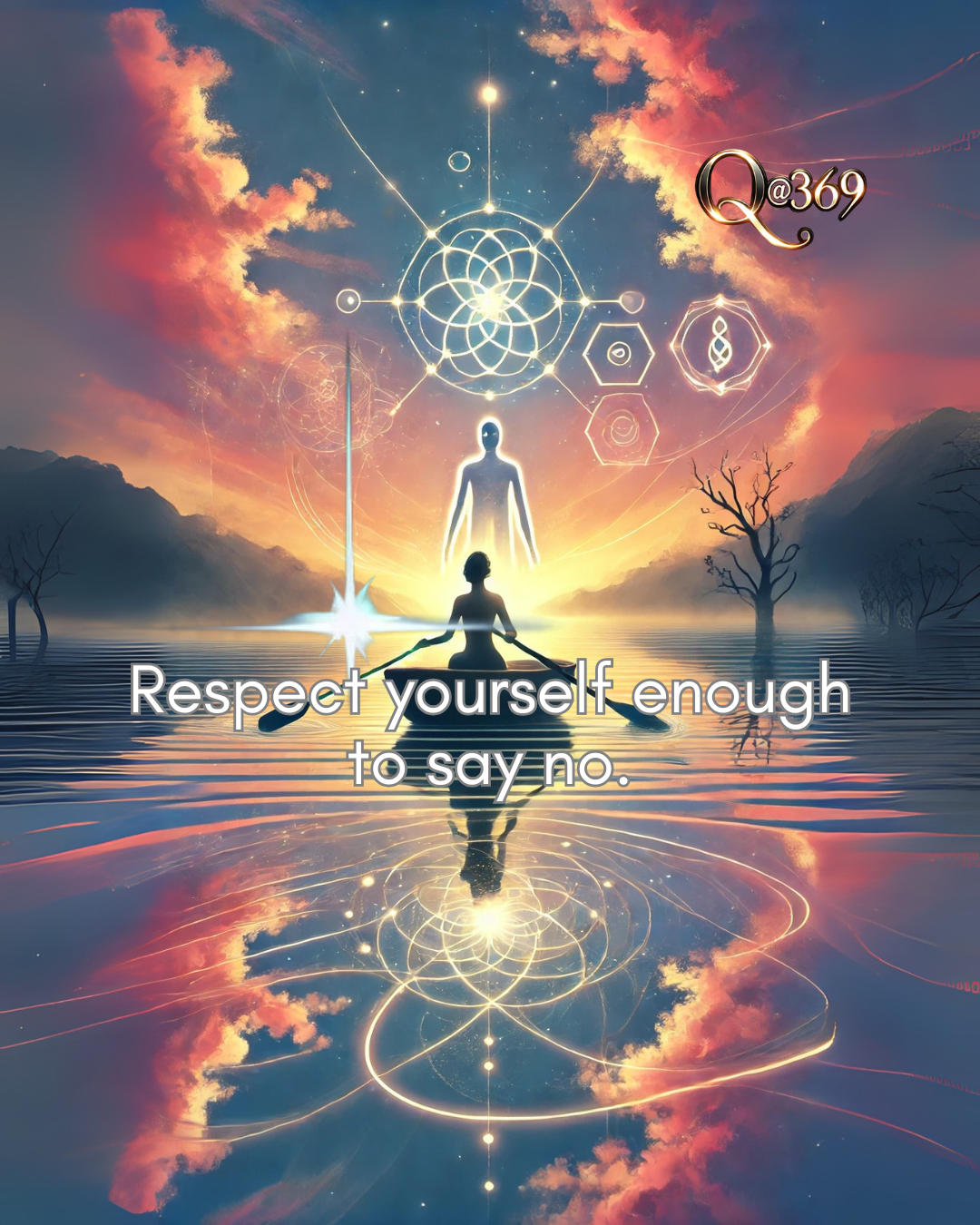
How often do you say yes, after your first reaction is no?
Boundaries are the invisible lines that protect your energy, time, and values. When blurred, they lead to burnout, resentment, and disconnection. Yet when respected, they create balance and resilience. Science shows that clear personal boundaries reduce stress and improve mental health. Spirit reminds us that saying “no” can be an act of love—for self and others.
☼ AUDIO: Listen to “How often do you say yes, after your first reaction is no?” by Isaac Yue
☼ Also Available on Spotify
The Science of Boundaries
Neuroscience confirms that decision-making stress spikes when people override their own limits. A 2019 study published in Frontiers in Psychology showed that individuals who assert boundaries report higher self-esteem and lower cortisol levels. Saying no preserves brain energy for what truly matters.
Chronic people-pleasing is linked to exhaustion, immune dysregulation, and emotional fatigue. Healthy limits aren’t selfish. They’re essential to survival.
Spirit and Boundaries
Spiritual traditions see boundaries as sacred circles. In Buddhism, the teaching of “right effort” reminds us to direct energy wisely. In Native American wisdom, the medicine wheel teaches balance through honoring limits. Boundaries protect not just the self, but the harmony of the whole.
Saying no is saying yes—to integrity, clarity, and peace.

“Compassionate people say no often.” – Brené Brown
Leila’s Line
Leila, a therapist, often let her calendar overflow. Clients, committees, and colleagues filled her hours until exhaustion stole her joy. One day, her young daughter asked why she was always too tired to play. That moment cut deeper than any demand.
Leila drew a line: evenings and Sundays for family. At first, she feared rejection. Instead, she found respect. Her clients adapted, and her daughter smiled again. Her no created space for a greater yes.
Tools for Quantumarians
- Pause before yes: Ask, “Does this align with my values?”
- Use clear language: A simple “No, I can’t take this on right now” is enough.
- Set sacred times: Block periods for rest, family, or creativity.
- Release guilt: Boundaries serve everyone, because a depleted self cannot serve well.
- Practice micro-boundaries: Even a five-minute pause for breathing is a reclaimed yes.
Conclusion
Boundaries are not walls. They are doors. Each no opens a yes to renewal, presence, and purpose. For Quantumarians, reclaiming boundaries means aligning action with energy. Protect your space, and your spirit will flourish.
A 2017 Journal of Occupational Health Psychology study found that employees with strong personal boundaries had 40% lower burnout rates.
References
- Frontiers in Psychology, “The Science of Boundaries,” 2019.
- Journal of Occupational Health Psychology, “Boundaries and Burnout,” 2017.
- American Psychological Association, “Healthy Limits Reduce Stress,” 2021.
- Brené Brown, The Gifts of Imperfection, 2010.
- Martha Beck, Finding Your Own North Star, 2002.
“Quantum Alchemist Approach to Creating a Positive and Fulfilling Life”

By Isaac Yue
TThis guide shows readers how to align their personal energy with the universe, creating balance, joy, and fulfillment in all areas of life. By learning to harness the power of intention and energy, you’ll be empowered to shape your reality positively
- Read Sample Pages on Amazon
- Follow the Link to Learn More.
Please give us your feedback.
Leave your comments below. We would love to hear your thoughts
More Boundaries
Benefits of Joining Our Community
By joining QuantumAlchemist369™, you will love to stay informed and connected with us and the Quantum Alchemist community. Join us and receive free daily email updates of blogs, events, and useful insights.
Leave a Comment
We would love to hear your thoughts. Please leave a comment and share how this content resonates with your own mindful journey.
Contact Us
For more information, and to contact Isaac Yue, visit our contact page.


Leave a Reply