

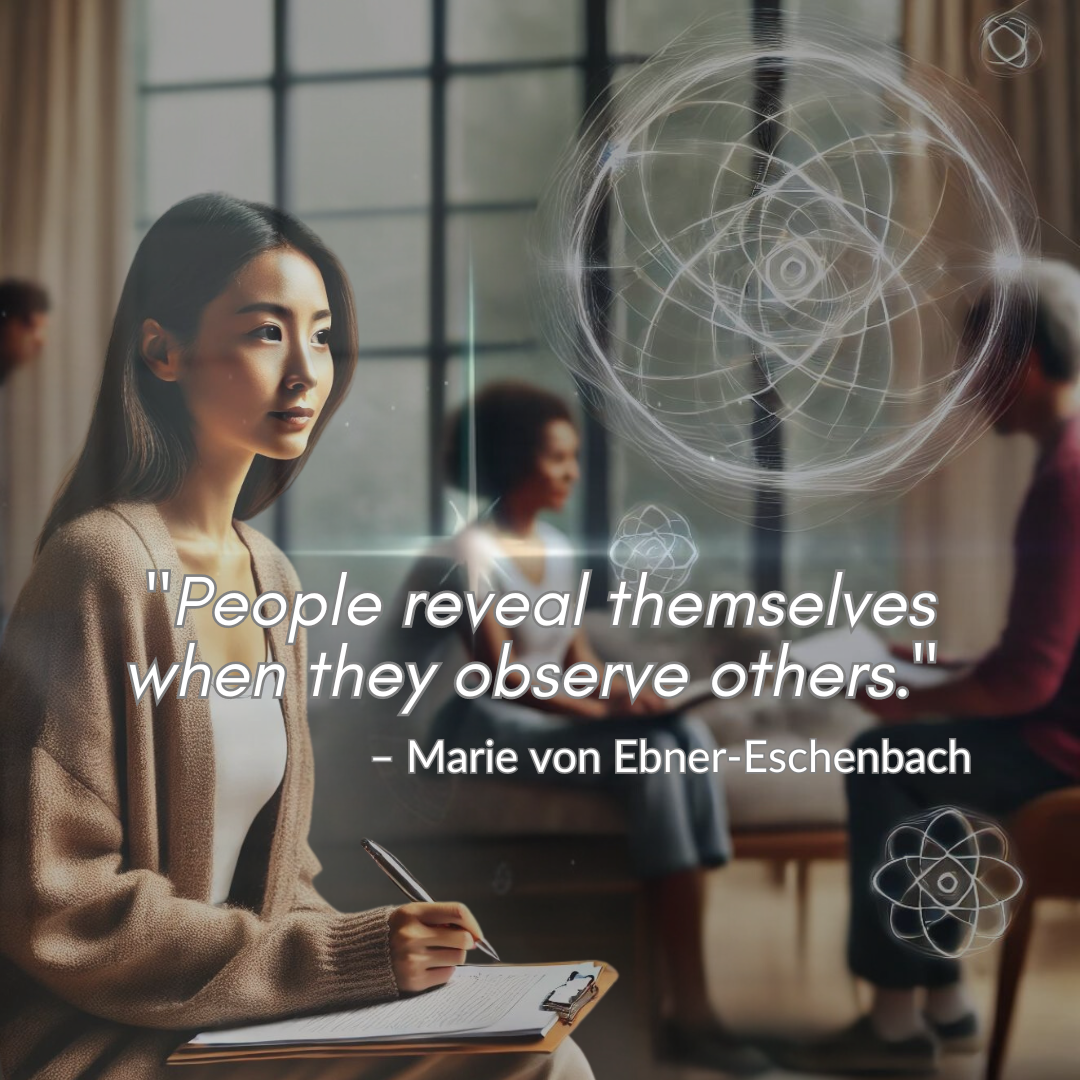
Energy flows not only within us but also between us, influencing our interactions and relationships. Recognizing another person’s energy can enhance communication and deepen connections. Learning to read people like a pro. Sensing a person’s energy can transform how you relate to them and understand their emotions.
Introduction to the Relationship Energy Assessment Tool
Following the insights gained in “Transform Your Life: Intro to Personal and Relationship Energy Assessment” this assessment tool focuses on helping you understand and recognize the energy of those around you. By honing your ability to read others’ energy, you can enhance empathy, communication, and connection in your relationships.
- First energy self-assessment, “Transform Your Life with This Easy Energy Self-Assessment” providing a well-rounded approach to energy awareness.
Together, these assessments empower you to align with Quantum Alchemist principles, transforming your interactions and fostering deeper, more fulfilling connections.
Why Recognizing Another Person’s Energy Matters
Being aware of another person’s energy allows for more meaningful and empathetic interactions. It helps you better navigate relationships by picking up on subtle cues. Recognizing these energetic shifts can improve communication and foster trust in personal and professional settings.
How to Use the “Read People Like a Pro” Assessment
This assessment is designed to help you understand another person’s energy by observing their body language, emotions, and overall behavior. To use this tool effectively, pay close attention to the cues in each category, such as posture, facial expressions, and tone of voice. Sum up the scores from each category after completing the assessment to determine their energy level. Use this score to adjust your approach, enhancing your interactions and building stronger connections. This guide will empower you to read others’ energy with ease and accuracy.
Physical Signs of Another Person’s Energy
Physical cues are often the easiest to observe. Someone’s posture, facial expressions, and body movements offer insights into their energy levels. For example, slouched shoulders or tense movements may indicate low or anxious energy, while an open and relaxed posture signals high, positive energy.
| Score | Energy Level | Physical Cues |
| 1 | Poor | Slouched, tense, tired-looking |
| 2 | Low | Closed posture, little eye contact |
| 3 | Moderate | Neutral posture, occasional tension |
| 4 | Good | Relaxed posture, comfortable |
| 5 | Very Good | Confident posture, open body language |
| 6 | Excellent | Fully relaxed and vibrant |
Emotional Indicators of Another Person’s Energy
Emotions are closely tied to energy. Picking up on someone’s emotional state helps you gauge their energy level. Negative emotions like frustration or sadness can signal lower energy, while joy and calmness reflect higher, balanced energy.
| Score | Energy Level | Emotional Cues |
| 1 | Poor | Irritable, anxious, withdrawn |
| 2 | Low | Frequently upset or moody |
| 3 | Moderate | Occasional emotional fluctuation |
| 4 | Good | Calm, balanced, emotionally steady |
| 5 | Very Good | Positive, frequently smiling |
| 6 | Excellent | Radiant joy, deeply calm |
Mental Clarity and Communication
Clear communication and mental focus are excellent indicators of another person’s energy level. A person with high energy is likely to engage in clear, focused conversations, while someone with low energy may struggle to articulate thoughts or appear distracted.
| Score | Energy Level | Communication Style |
| 1 | Poor | Confused, lacks focus, disengaged |
| 2 | Low | Struggles to communicate clearly |
| 3 | Moderate | Occasionally distracted, somewhat focused |
| 4 | Good | Clear and focused with minor distractions |
| 5 | Very Good | Highly engaged, thoughtful responses |
| 6 | Excellent | Fully focused, sharp communication |

“We are what we pretend to be, so we must be careful about what we pretend to be.” – Kurt Vonnegut
Spiritual Connection in Relationships
A strong connection with another person’s spiritual energy often reflects a deep bond or shared purpose. If you can sense their intuition or inner calm, it indicates a higher spiritual energy. This connection can lead to more meaningful interactions and mutual understanding.
| Score | Energy Level | Spiritual Connection |
| 1 | Poor | No spiritual or emotional connection |
| 2 | Low | Rarely connected on a deeper level |
| 3 | Moderate | Sometimes feel connected |
| 4 | Good | Frequently feel aligned with them |
| 5 | Very Good | Strong spiritual connection |
| 6 | Excellent | Deep, intuitive bond with clear purpose |
Body Language and Tension as Indicators of Energy
Observing body language and tension levels in others can provide insight into their energy state. Tense or closed body language often indicates low energy or discomfort, while a relaxed and open posture suggests positive energy flow. Being aware of these cues can enhance your understanding of the person’s current state.
| Score | Energy Level | Body Language and Tension |
| 1 | Poor | Rigid posture, crossed arms, visibly tense |
| 2 | Low | Slouched, minimal movement, often fidgeting |
| 3 | Moderate | Neutral posture, occasional tension |
| 4 | Good | Relaxed posture, steady movements |
| 5 | Very Good | Open body language, confident posture |
| 6 | Excellent | Fully relaxed, open and engaging body language |
Emotional Expression and Mood Fluctuations as Indicators of Energy
A person’s emotional expressions and mood changes can reveal much about their energy. Those with high energy levels tend to display positive emotions and maintain steady moods, while those with lower energy may show irritability or frequent mood shifts. Observing these emotional cues helps you respond to others more empathetically.
| Score | Energy Level | Emotional Expression and Mood |
| 1 | Poor | Frequently irritable, shows signs of frustration |
| 2 | Low | Moody, easily upset, visibly withdrawn |
| 3 | Moderate | Occasional mood changes, generally balanced |
| 4 | Good | Mostly stable, often calm and content |
| 5 | Very Good | Consistent positivity, balanced emotions |
| 6 | Excellent | Radiates joy and calmness, emotionally steady |
Sum Your Scores: Other’s Energy Assessment
After observing another person’s energy through the assessment, sum the scores from each category to gauge their overall energy level. Use the table below to interpret the total score and determine recommended approaches for interacting with them.
| Total Score Range | Energy Level Description | Recommended Approach |
| 6 – 12 | Very Low Energy | Approach with gentleness and offer support, giving them space as needed. |
| 13 – 18 | Low Energy | Be patient, offer encouragement, and avoid overwhelming them. |
| 19 – 24 | Moderate Energy | Engage in conversation and show understanding, providing support when necessary. |
| 25 – 30 | High Energy | Engage directly, deepen the connection, and nurture positive energy together. |
| 31 – 36 | Excellent Energy | Fully connect, collaborate, and build on the shared positive energy. |
This summary helps you adjust your approach based on another person’s energy level. Recognizing their state allows for better interactions, fostering mutual respect and deeper connections.
Recognizing body language and emotional expressions in others enhances your ability to connect with them meaningfully. By observing these indicators, you can better respond to their energy, improving your interactions and fostering empathy.
Using Awareness of Another’s Energy to Improve Relationships
Recognizing another person’s energy helps you respond to them in ways that are supportive and empathetic. Adjusting your approach based on their energy can create a more harmonious relationship, whether in personal interactions or at work.
Recognizing Another Person’s Energy
Recognizing another person’s energy is essential for better communication and understanding. You should now have a grasp of how to observe physical, emotional, and mental cues. How will you apply this awareness in your relationships? Use this understanding to deepen your connections and foster empathy.
References (Isaac Yue Recommended)
- “Wholeness and the Implicate Order” by David Bohm
- “The Field: The Quest for the Secret Force of the Universe” by Lynne McTaggart
- “Quantum Healing: Exploring the Frontiers of Mind/Body Medicine” by Deepak Chopra
- “Breaking Barriers A Story of Love, Business and Possibilities” by Isaac Yue
- “Quantum Possibilities: Empower Your Life for Ultimate Harmony” by Isaac Yue
- “Quantum Alchemy: The Convergence of Science, Spirit, and Enlightenment” by Isaac Yue
- “Quantum Alchemist Approach to Creating a Positive and Fulfilling Life” by Isaac Yue
- “Quantum Pathways: A Journey to Alchemical Magic” by Isaac Yue
See more of QuantumAlchemist369™ selected self-empowerment knowledge selections on the Quantum Reading Link
QuantumAlchemist369™ Enlightening Book Series
by Isaac Yue


Learn more on Isaac Yue’s Summary Page
Bundle discounts available in our Store
Click on Book image to order from Amazon Now
This collection of seven books present an empowering journey, blending science and spirituality through quantum alchemy principles. Each book offers unique insights into unlocking personal growth, achieving harmony, and realizing life’s potential by embracing positivity, mindfulness, and transformative thinking.
Please give us your feedback:
More Another Person’s Energy
Benefits of Joining Our Community
By joining QuantumAlchemist369™, you will love to stay informed and connected with us and the Quantum Alchemist community. Join us and receive free daily email updates of blogs, events, and useful insights.
Leave a Comment
We would love to hear your thoughts. Please leave a comment and share how this content resonates with your own mindful journey.
Contact Us
For more information, and to contact Isaac Yue, visit our contact page.


Leave a Reply