

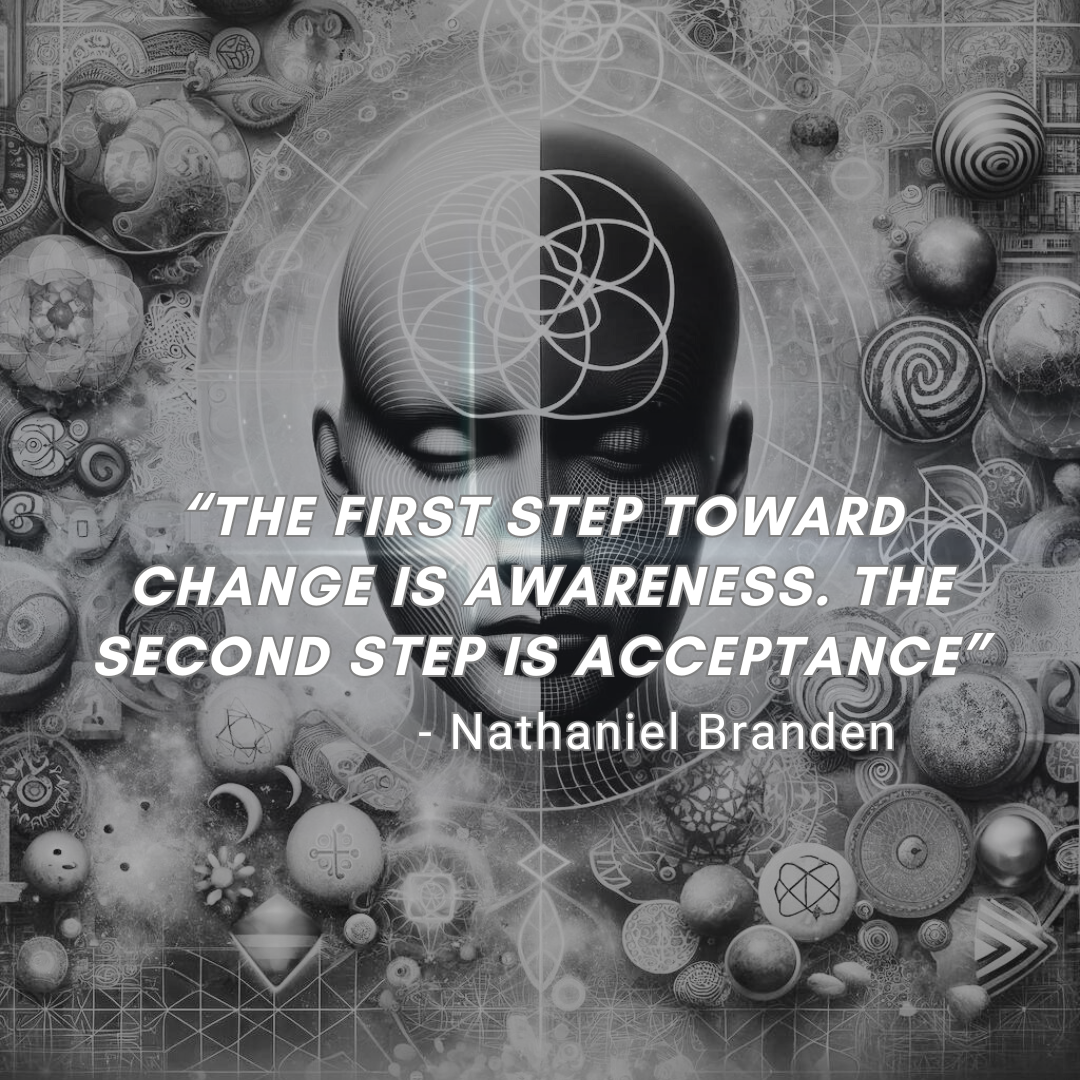
Unconscious bias is an automatic, unintentional belief or attitude that influences behavior. It’s crucial because it shapes perceptions and decisions without awareness. Understanding unconscious bias is essential for personal growth and better interactions.
Understanding Unconscious Bias
Unconscious bias refers to the automatic, unconscious attitudes or stereotypes that influence our understanding, actions, and decisions. These biases can stem from our upbringing, culture, and personal experiences, often operating without our awareness.
The Impact of Unconscious Bias
Unconscious biases can significantly impact various aspects of life, including workplace dynamics, personal relationships, and societal interactions. They can lead to unfair treatment, perpetuate stereotypes, and hinder personal and professional growth.
Quantum Alchemist Life Principles
Quantum Alchemist life principles emphasize self-awareness, intentionality, and transformation. These principles encourage individuals to recognize and address unconscious biases to foster a more conscious and enlightened way of living.

“Your assumptions are your windows on the world. Scrub them off every once in a while, or the light won’t come in.” – Isaac Asimov
Recognizing and Overcoming Unconscious Bias
To align with Quantum Alchemist principles, one must first acknowledge the existence of unconscious biases. Techniques such as mindfulness, self-reflection, and seeking diverse perspectives can help in identifying and mitigating these biases.
The Role of Mindfulness
Mindfulness is a powerful tool in recognizing unconscious biases. By being present and aware, individuals can catch biased thoughts and behaviors in the moment, allowing for more intentional and unbiased actions.
Self-Reflection for Growth
Self-reflection involves examining one’s thoughts, beliefs, and behaviors critically. This practice can reveal underlying biases and provide opportunities for personal growth and transformation.
Seeking Diverse Perspectives
Engaging with diverse perspectives and experiences broadens one’s understanding and helps in challenging and overcoming unconscious biases. This practice aligns with the Quantum Alchemist principle of interconnectedness and unity.
Conclusion
Unconscious bias shapes our perceptions and actions unknowingly. You should have learned about its impact and methods to address it. Consider how biases affect your life. Use mindfulness and reflection to foster positive change.
References
- “Blindspot: Hidden Biases of Good People” by Mahzarin R. Banaji
- “Breaking The Habit of Being Yourself: How to Lose Your Mind and Create a New One” by Dr. Joe Dispenza
- “To Kill a Mockingbird” by Harper Lee
- “Quantum Alchemy: The Convergence of Science, Spirit, and Enlightenment” by Isaac Yue
- “Breaking Barriers A Story of Love, Business and Possibilities” by Isaac Yue
- “Quantum Possibilities: Empower Your Life for Ultimate Harmony” by Isaac Yue
- “Quantum Alchemist Approach to Cre
- “Quantum Pathways: A Journey to Alchemical Magic” by Isaac Yue
See more of QuantumAlchemist369™ selected self-empowerment knowledge selections on the Quantum Reading Link
QuantumAlchemist369™ Enlightening Book Series
by Isaac Yue


Learn more on Isaac Yue’s Summary Page
Bundle discounts available in our Store
Click on Book image to order from Amazon Now
This collection of five books present an empowering journey, blending science and spirituality through quantum alchemy principles. Each book offers unique insights into unlocking personal growth, achieving harmony, and realizing life’s potential by embracing positivity, mindfulness, and transformative thinking.
Please give us your feedback:
More Diverse Perspectives
Benefits of Joining Our Community
By joining QuantumAlchemist369, you will receive FREE daily email updates of blogs, events, and useful insights. You will love to stay informed and connected with us and the Quantum Alchemist community.
Leave a Comment
We value your thoughts and experiences. Please leave a comment below to share your insights and continue the conversation on unconscious bias and self-awareness.
Contact Us
For more information, please contact Isaac Yue through our website. Visit our contact page to reach out.


Leave a Reply